If you’ve ever driven past a port at dawn, the sight of towering stacks of metal boxes stacked like puzzle pieces is almost impossible to miss. Every single one of those steel containers is built from a material that’s foundational to global manufacturing and logistics: hot rolled steel. For the hot rolled steel supplier I run, this isn’t just a product—it’s the backbone of nearly every industry that keeps the world turning, and it’s a material I’ve spent 12 years refining, testing, and delivering to clients across North America and beyond. Today, I want to pull back the curtain on what makes shipping container hot rolled steel unique, why it matters more than most people realize, and how we make sure every coil we ship meets the exact standards needed to hold millions of tons of goods safe on their journeys. Hot Rolled Steel
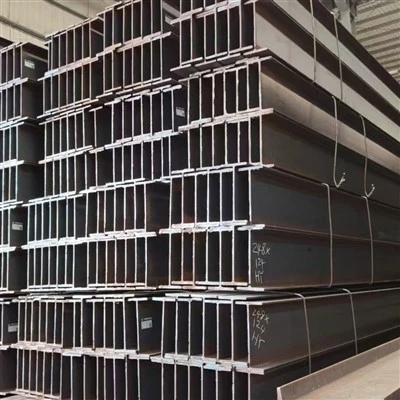
Let’s start with the basics. First, what exactly is hot rolled steel, and how does it differ from the steel used for car bodies, kitchen appliances, or construction beams? When steel is made from molten iron, it’s cast into large, thick slabs—usually 8 to 12 inches thick—straight from the mill. To turn those slabs into something useful, they’re reheated to temperatures above 1,700°F, which is way above the steel’s recrystallization point. That high heat makes the metal malleable enough to press or roll it into thinner sheets. Hot rolled steel, as the name suggests, is cooled at room temperature after that rolling process, rather than being pickled or cold-rolled for extra precision.
Now, compare that to cold rolled steel, which goes through an extra set of rollers at room temp, resulting in a smoother, harder, more dimensionally consistent product. Cold rolled is perfect for parts that need a polished finish, like car panels or metal shelves. But shipping containers? They need something that can take a beating, resist dents from stacking, hold up to salt air and extreme temperatures, and be welded or cut easily for custom modifications. That’s where hot rolled steel shines. Its slightly rougher, matte finish isn’t just a cosmetic quirk—it’s a sign of its toughness. The heating process makes the metal grain structure larger and more durable, so it can absorb impact better than cold rolled steel, which is harder but more brittle. For a shipping container that will be tossed around by cranes, left out in the desert heat in summer, and blasted with arctic wind in winter, that durability isn’t optional—it’s non-negotiable.
What most people don’t know is that shipping container steel has very specific grades and specifications, not just any hot rolled steel will do. For ISO-certified containers (the standard used for global intermodal shipping), the International Organization for Standardization sets strict rules for every component: the walls, the floor rails, the corner castings, even the small brackets that hold the container doors shut. The most common grade used for container panels is A572 Grade 50, a high-strength low-alloy (HSLA) steel. Let me break that down: Grade 50 means it has a minimum yield strength of 50,000 pounds per square inch—roughly twice as strong as the mild steel used in some basic construction projects. HSLA means it has small amounts of elements like niobium, vanadium, or titanium added during production, which don’t just make it stronger—they also improve its weldability and corrosion resistance, two make-or-break properties for a container that’s going to cross oceans.
Then there’s the steel used for the container’s structural parts, like the corner posts and the base beams. Those often use A36 hot rolled steel, a more versatile mild steel with a yield strength of 36,000 psi, which is cheaper to form into thick, strong beams and easy to attach to the thinner panel steel. The key here is that all these grades have to work together. If a wall is Grade 50 super-strong but the base beam is too weak, the whole container will fail under the weight of heavy cargo. That’s why, as a supplier, we don’t just dump any hot rolled steel into a truck and call it good. We test every batch: we check the tensile strength, the yield point, the chemical composition, even the surface finish to make sure it meets ISO standards. A few years back, we had a client come to us with a load of cheap, untested hot rolled steel they’d imported from overseas for container manufacturing. Within three months, 12% of their containers had cracked at the welds, because the steel had too much sulfur, making it brittle. We fixed their supply chain after that, but that mistake taught me that cutting corners on steel specs isn’t just bad for a supplier—it’s bad for every business that relies on those containers to move their products.
Another thing that sets shipping container hot rolled steel apart is its ability to be coated for extra corrosion resistance. Even though HSLA has natural resistance, steel exposed to salt spray, rain, and UV rays will rust if left unprotected. Most container manufacturers use a powder coating or a hot-dip galvanized finish, but some use a special paint system designed for marine applications. The hot rolled steel’s surface texture actually helps the coating adhere better than a smooth cold rolled surface—small rough spots act like tiny anchors, so the paint doesn’t chip off when the container is dropped or dragged. That’s another small detail that makes all the difference in a material that’s built to last 10 to 15 years of heavy use.
I’ve been in this industry long enough to see how the demand for shipping container hot rolled steel has shifted over the years. A decade ago, demand was driven almost entirely by global trade—companies moving consumer goods, electronics, and raw materials across oceans. But in the last five years, we’ve seen a huge surge in secondary demand: companies buying used shipping containers modified for storage, tiny homes, pop-up shops, even disaster relief housing. The steel in those modified containers has to be the same high-quality Grade 50 material, because someone might cut a window into a container wall or weld a new door on, and they need the remaining steel to stay strong. I’ve had clients come to us for steel to repair old containers, and even small repairs require the same grade as the original, because mixing different steel grades can cause corrosion or structural failure down the line.
As a supplier, my job isn’t just to deliver steel coils to manufacturers—it’s to be a partner. Last year, a small container shop in Texas came to us with a problem: they had a rush order for 200 containers to store medical supplies for hurricane season, and their usual supplier was backed up by three weeks. We had excess inventory of A572 Grade 50 hot rolled steel that we’d kept on hand for exactly that kind of emergency, so we adjusted our production schedule, shipped the coils directly to their facility, and got them their steel in 48 hours. They paid us a little more, but we knew getting those containers done on time was more important than a slightly smaller profit. That’s the kind of relationship you build when you’re working with a material that plays a critical role in people’s livelihoods.
I also want to talk about sustainability, because that’s a big topic in manufacturing right now, and hot rolled steel is way more eco-friendly than most people realize. Steel is one of the most recycled materials on the planet—around 90% of all steel from retired shipping containers is melted down and reused to make new steel products, including new shipping containers. Hot rolled steel production has also gotten much cleaner over the last 10 years, with most mills switching from coal to natural gas or electric arc furnaces powered by renewable energy. As a supplier, we only work with mills that follow strict ISO 14001 environmental standards, so we know the steel we’re delivering isn’t just strong—it’s made in a way that doesn’t harm the environment. That’s something our clients care about, especially the big global brands that want their supply chains to be sustainable from start to finish.
Now, if you’re a container manufacturer, a fabricator, or a business that needs consistent, high-quality hot rolled steel for shipping containers, you know how hard it is to find a supplier you can trust. You don’t want to deal with late shipments, subpar steel that fails inspection, or hidden fees. For us, quality is non-negotiable. Every coil we ship comes with a mill test report, which outlines every detail of the steel’s composition and properties, so you can be 100% sure it meets ISO standards. We keep safety stock on hand for rush orders, offer flexible cutting and processing services so you can get steel in the exact size you need, and have a team of metallurgists on staff to answer any questions you have about specs, testing, or applications.

Whether you’re building new shipping containers, repairing old ones, modifying them for custom use, or sourcing steel for any project that needs the toughness and durability of hot rolled steel, we have the product and the expertise to meet your needs. We work with clients of all sizes, from small local fabricators to large multinational container manufacturers, and we’re committed to delivering reliable service and high-quality steel every time. If you’re ready to discuss your next project, need a quote, or have questions about shipping container hot rolled steel, don’t hesitate to reach out.
Hot Rolled Coils & Sheets References:
International Organization for Standardization. (2018). ISO 6346: Freight containers – Coding, identification, and marking.
American Society for Testing and Materials. (2021). ASTM A572/A572M: Standard Specification for High-Strength Low-Alloy Columbium-Vanadium Structural Steel.
American Society for Testing and Materials. (2020). ASTM A36/A36M: Standard Specification for Carbon Structural Steel.
World Steel Association. (2022). Steel Recycling Facts and Figures.
Kennen Steel International Co., Ltd.
With abundant experience, we are one of the most professional hot rolled products manufacturers and suppliers in China. We warmly welcome you to buy high quality hot rolled products in stock here and get quotation from our factory. For price consultation, contact us.
Address: No. 10, South Road, Area C2, Lecong Iron & Steel World, Shunde District, Foshan City, Guangdong Province
E-mail: info@kennensteelco.com
WebSite: https://www.kennensteelco.com/
