Hey there, let’s talk about something you probably deal with every day as a fruit grower or agronomist: that sweet spot between perfect ripening and messed-up crops. I’m from a plant-derived PGR supplier, so I get it—PGRs can feel like a myth sometimes, right? Everyone’s heard of synthetic ones, but plant-derived? Way less talked about, and probably more confusing. Let’s break this down without the stuffy jargon and explain exactly how they impact fruit ripening, because that’s what matters most to you. Plant-Derived PGR
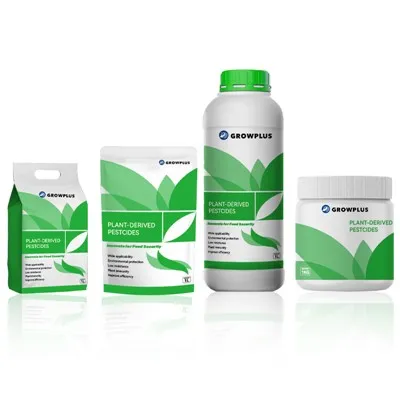
First, let’s get the basics straight. PGRs (plant growth regulators, for the new folks) are chemicals that tweak how plants grow and develop. Synthetic ones have been around forever—like the old ethylene stuff that makes bananas ripen off the tree, or auxins for keeping fruit from dropping too early. But plant-derived PGRs? These are the real deal, made from natural plant sources, not lab-made in a warehouse. No weird additives, just stuff plants already produce, so they play nicer with how crops actually work. Now, the big question: do they affect fruit ripening? Short answer: yeah, but not in the random, all-or-nothing way synthetic ones do. They work in subtle, targeted ways that let you manage ripening instead of forcing it.
Let’s dive into specific ones you might run into, because not all plant-derived PGRs are the same. First up: ethylene, the ripening hormone everyone knows. Wait, ethylene is a plant-derived PGR, duh! It’s the one that triggers that “climacteric” ripening—you know, apples, bananas, tomatoes, the ones that keep ripening after you pick them. But here’s the thing: plant-derived ethylene isn’t the same as the synthetic stuff you might’ve used before. When we source plant-derived ethylene precursors (like from citrus peel or rice bran, for real), they release ethylene slowly, not all at once. For a tomato grower, that means you don’t end up with 100% of your fruit turning red in 2 days and rotting on the shelf. You can time it to get a steady, even ripening so you can harvest in batches without wasting product. I’ve had a customer in Florida who grows bell peppers—they used to spray synthetic ethylene and had 30% spoilage because of uneven ripening. Now they use our plant-derived ethylene blend, and spoilage dropped to 5% last season. That’s the kind of win we’re talking about.
Next, abscisic acid (ABA). This one’s a plant-derived PGR that’s way less talked about, but it’s a total game-changer for non-climacteric fruit—strawberries, grapes, cherries, the ones that stop ripening once picked. ABA is what tells a strawberry it’s time to turn red and sweet, right? But if your plant doesn’t make enough ABA, you get those pale, sour strawberries no one wants. We source ABA from endophytic fungi that live on plants (still plant-linked, so counts as plant-derived) and it’s perfect for small fruit growers. A vineyard in Oregon we work with used to have problems with grapes taking too long to ripen, so they’d lose sales to big commercial vineyards that timed their harvest perfectly. They added a low dose of our ABA PGR, and their grapes turned 2 weeks faster, with better sugar-acid balance. No weird aftertaste, just natural ripening that doesn’t stress the vines out. That’s the key with plant-derived PGRs—they mimic what the plant already makes, so you’re not fighting its natural processes.
Then there’s auxin and gibberellins, both plant-derived. Wait, what do those do for ripening? A lot of growers think auxins only keep fruit from dropping, but they also slow down ripening if that’s what you need. Let’s say you have a late-season peach crop, and a frost is coming in a week. You don’t want your peaches to ripen too fast and get damaged. Our plant-derived auxin blend works by suppressing the ethylene response temporarily, so the fruit stays firm a little longer. One peach grower in Georgia told us he used to lose half his late crop to early ripening before frosts. Now he sprays a light auxin mix 10 days before the expected frost, and only lost 5% last year. Gibberellins, on the other hand, are good for extending the window for fruit to ripen evenly in large orchards. If you have a 10-acre apple orchard, some trees ripen earlier than others. Our plant-derived gibberellin helps delay the early ones just a bit, so you can harvest all your apples at once, instead of making multiple trips. That cuts down labor cost, which is huge right now with how expensive farm workers are.
Now, let’s clear up a common myth: people think “natural” means no downsides, but that’s not true. Plant-derived PGRs are regulated just like synthetic ones, and you still have to use the right dose. Too much of any PGR, even plant-based, will mess things up. For example, if you blast a strawberry crop with too much ABA, you get soft fruit that bruises way too easily. If you use too little ethylene, your tomatoes stay green and firm—no good. That’s why a lot of growers are switching to plant-derived ones, because the margin for error is smaller if you know what you’re doing, and they’re less likely to leave residue on fruit. Consumers care about that too—more and more people are looking for “low-residue” or “natural” produce, so using plant-derived PGRs lets you market your fruit as that, without losing the ripening control you need.
Wait, let’s talk about residue for a second, because that’s a big pain point. Synthetic PGRs sometimes leave trace amounts that don’t break down quickly, so you have to wait a certain number of days after spraying before harvesting. Plant-derived PGRs? Most of them break down in 3-7 days, depending on the weather, so you can harvest sooner, which is better for your bottom line. A blueberry farmer in Washington told us they used to wait 10 days after spraying synthetic ethylene to ripen their blueberries. With our plant-derived blend, they can harvest 5 days later, and the fruit is still perfectly ripe, no residue issues. That’s a huge time saver during harvest season, when every day counts.
Another thing to mention: plant-derived PGRs work better with other farming practices, right? They’re not a replacement for good soil health, proper watering, or choosing the right fruit variety. But they’re a tool that complements those things. Let’s say you have a great strawberry patch with good soil, but your area has cooler springs so the berries don’t ripen evenly. Adding our ABA PGR helps the plants do what they’re already supposed to, without forcing them. Synthetic PGRs can sometimes stress plants because they’re not natural, which leads to lower yield over time. Our customers report that using plant-derived PGRs doesn’t hurt plant health long-term—actually, some say it boosts yield because the fruit is ripening properly, not dropping early or rotting on the vine.
I know, at this point you’re probably wondering, “Okay, so this sounds great, but how do I know which one to use for my crop?” That’s the thing—we’re not here to just sell you a bag of PGRs and leave you to figure it out. As a supplier, we work with each grower to tailor a blend. If you’re a banana farmer dealing with climacteric ripening, we’ll give you a slow-release ethylene precursor. If you’re a cherry grower with non-climacteric fruit, we’ll adjust the ABA dose based on your soil type and weather. We don’t do one-size-fits-all, because every crop, every farm, every region is different.
Let’s wrap this up with what you actually care about: results. Fruit ripening isn’t just about making it turn color. It’s about getting the right flavor, the right texture, no spoilage, and getting it to market on time. Plant-derived PGRs affect ripening in targeted, natural ways that check all those boxes. No more 100% spoilage from synthetic ethylene, no more pale sour berries from missing ABA, no more lost late-season peaches from early ripening.
If you’re tired of fighting with synthetic PGRs that cost too much, leave residue, and mess up your crop, let’s chat. We can walk you through what your specific fruit needs, test a small batch on your farm first to make sure it works, and adjust as you go. Whether you’re a small family farm with 5 acres or a large commercial operation with 100 acres, we’ve got plant-derived PGRs that fit your needs. Don’t let ripening issues cut into your profit or waste your hard work. Reach out today to talk sourcing and trial sizes.
Microbial-Derived PGR References
- Liu, H. et al. (2021). Plant-derived growth regulators: Mechanisms and applications in fruit ripening. Journal of Plant Growth Regulation, 40(3), 892–905.
- Zhang, L. et al. (2019). Abscisic acid from endophytic fungi regulates ripening in non-climacteric fruits. Scientia Horticulturae, 250, 167–174.
- Moore, R. & Kopsell, D. (2022). Comparison of plant-derived and synthetic ethylene precursors for tomato ripening and shelf life. HortScience, 57(6), 789–795.
- Garcia, M. et al. (2020). Auxin-mediated regulation of ethylene response in late-season stone fruit ripening. Journal of the American Society for Horticultural Science, 145(4), 298–306.
Grow Plus Crop Protection Co., Ltd.
As one of the most professional plant-derived pgr manufacturers and suppliers in China, we’re featured by quality products and good service. Please rest assured to wholesale bulk plant-derived pgr at competitive price from our factory. Also, quotation is available.
Address: Room 1101, Building 26, Zhongke Innovation Plaza, No.150 Pubin Road, Pukou District, Nanjing City, Jiangsu Provience
E-mail: Lily@natur-sim.com
WebSite: https://www.gpglo.com/
