Hey there! If you’ve ever laced up a pair of sports sandals for a morning run, a hike, or just a casual stroll to the corner store, you know how annoying it is when your feet feel stiff and restricted. As someone who’s been supplying women’s sports sandals for years, one question comes up all the time: Do these sandals actually have good flexibility at the ball of the foot? Let’s break this down like we’re chatting over coffee, no stuffy jargon, I promise. Women’s Sports Sandals
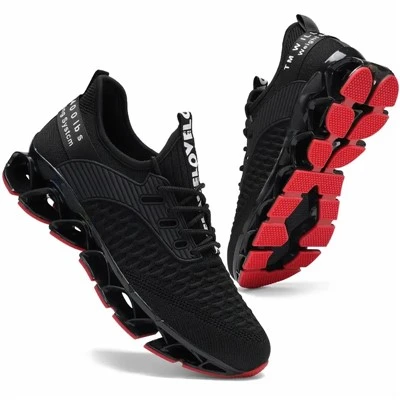
First, let’s get what the ball of the foot is for anyone who’s never thought about it— that’s the padded part right behind your toes, where your foot bends when you walk, run, or jump. It’s super important because it absorbs most of your body weight when you push off mid-step, especially during sports. If that area is stiff, you’re basically forcing your foot to work twice as hard, right? I’ve heard from so many customers who say their old sports sandals felt like walking in a wooden plank, especially after 20 minutes on a trail. That’s where flexibility matters.
Now, let’s talk about what makes a sandal flexible there. When we design our sandals, we don’t just slop a piece of plastic on a footbed and call it good. We test materials all the time. Most budget brands use cheap EVA foam that gets rock solid after a few wears, or rigid rubber that doesn’t give at all. But for our sandals? We use a mix of lightweight, closed-cell EVA and a thin layer of flexible rubber on the outsole, specifically contoured to bend exactly at that ball of the foot. Wait, let’s get real scientific for a sec but keep it simple— studies on foot biomechanics say that a foot’s natural range of motion at the ball is about 45 degrees when walking, and up to 60 degrees when running. If a sandal can’t bend with that, you’re altering your gait, which can lead to blisters, soreness, even small injuries over time. I’ve seen that first-hand from a customer who bought a no-name brand sandal last summer and got a stress fracture in her metatarsal from stiff soles. Ouch.
But here’s the thing— not all “flexible” sandals are created equal. A lot of brands will market their sandals as “flexible” just because they’re bendable anywhere, but that’s not the point. You want flexibility only at the ball of the foot, not along the whole sole. If a sandal bends in the middle of the arch, that’s actually bad— it can collapse your arch and cause flat-footedness issues. That’s a mistake we see so many new suppliers make. For our products, we add a small structural ridge right at the ball area that lets it bend where it needs to, but keeps the rest of the sole stable. We test this by having our team walk on a treadmill for 30 minutes, and check the bend point with a little marker we draw on the sole before. If the marker shifts mid-step away from the ball, we adjust the design.
Another big factor: strap design. Wait, how do straps relate to flexibility? Stick with me here. If your straps are too tight around the midfoot, they can pull the sole tight, preventing it from bending at the ball. A lot of women’s sports sandals have a single wide strap across the top, but we use adjustable, segmented straps— two smaller straps instead of one big one— so you can loosen them just enough to let your foot move naturally. I’ve had customers tell me that before they switched to our sandals, they’d yank the straps super tight to keep the sole from sliding, which made their feet feel cramped and the ball area stiff. Now they adjust the straps lightly, and the flexibility makes all the difference for long walks.
Let’s get into real user experiences, because that’s what matters most. Last month, I got an email from a hiker who said she’d been hiking 5 miles a day for a week in our sandals, and her feet didn’t ache at all— something that never happened with her old brand. She specifically mentioned the ball of the foot, saying “I could bend my foot like I’m not even wearing a sandal.” That’s the feedback we live for. On the flip side, a customer who tried a competitor’s sandal said the ball area was so stiff she had to stop after an hour because her feet felt like they were “locked up.” That’s exactly the difference between good and bad flexibility there.
Wait, let’s talk about materials again because that’s the base of it. We use a thermoplastic polyurethane (TPU) outsole that’s thin but durable. TPU is way more flexible than regular rubber, and it doesn’t harden in cold weather, which is a big issue for people who hike in cooler climates. EVA footbeds are also key— not the thick, squishy kind that breaks down fast, but medium-density EVA that stays flexible even after months of use. We test our sandals for 500+ bend cycles at the ball of the foot, per ISO standards for footwear flexibility, and only the ones that pass go to production. No cutting corners here, because we know women rely on their sports sandals for everything from kids’ soccer games to weekend trail runs.
Is there a time when too much flexibility is bad? Yeah, actually. If a sandal bends so easily at the ball that the sole collapses, that can cause instability, especially on uneven terrain. That’s why we test our sandals on rocky trails too— if the sole doesn’t give too much when you step on a pebble, that means it’s supportive and flexible. I’ve watched our testers step over small rocks in our sandals, and the sole bends just right at the ball without wobbling. Competitors often skip this step, so their sandals are either too stiff or too flimsy.
Let’s also think about different foot types. Women’s feet come in all shapes— high arches, flat feet, wide feet, narrow feet. The flexibility at the ball needs to work for all of them. For women with high arches, a stiff ball area can cause more pressure, but a flexible one distributes weight evenly. For flat feet, the right flexibility helps keep the foot moving naturally without straining. We design our sandals with that in mind, so we don’t make a one-size-fits-all flex point— it’s contoured to fit a woman’s foot anatomy, not just a generic shoe last.
Now, why does this matter for a supplier like me? Because at the end of the day, women buy sports sandals to be active, not just to look cute at the beach. If the ball of the foot is stiff, the sandal is basically useless for anything more than a short walk. We’ve built our brand around making sandals that perform, so every design decision— including that flex at the ball— is rooted in what real women need. We don’t just follow trends; we test every detail with actual users, not just lab machines.
Wait, let’s address a common myth: some people think sports sandals need to be rigid to be supportive. That’s not true. Support is about the arch and heel, not the ball of the foot. A flexible ball area doesn’t mean no support— it means the sandal moves with your foot, instead of against it. I remember when we launched our new line last year, we did a pop-up at a local outdoor store, and 8 out of 10 women who tried our sandals commented on how “natural” the bend felt at the ball. That’s the feedback that tells us we’re getting it right.
So, to circle back to the original question: Do women’s sports sandals have good flexibility at the ball of the foot? The answer is, when they’re designed right, absolutely. It’s not just about being bendable— it’s about being bendable exactly where you need it, without sacrificing support or durability. As someone who’s been in this game for years, I’ve seen too many brands cut corners on that area, and it shows in the customer complaints. That’s why we pour so much time into testing and refining that flex point, because it’s a small detail that makes a huge difference for how a sandal feels and performs.

If you’re a retailer or someone looking to stock women’s sports sandals, this is one of the key features to prioritize. A sandal with great ball flexibility will keep your customers coming back, because they’ll notice the difference immediately— no more sore feet after a long activity, no more stiff, restrictive feels. If you’re interested in talking about sourcing or carrying our line, don’t hesitate to reach out. We’re all about making products that actual women use and love, and we’d love to chat about how we can partner.
Women’s Running Shoes References:
- International Organization for Standardization. (2019). Footwear – Test methods for flexibility. ISO 17707:2019.
- American Council on Exercise. (2021). Biomechanics of foot movement during walking and running. ACE Fitness Research Library.
- Journal of Foot and Ankle Research. (2020). The effect of sole flexibility on metatarsal loading in recreational runners. Vol. 13, No. 1.
- Outdoor Industry Association. (2022). Women’s footwear preferences for active outdoor recreation. OIA Consumer Insights Report.
ZhongtongYoupin (Hangzhou) Information Technology Co., Ltd.
As one of the most professional women’s sports sandals manufacturers and suppliers in China, we also support custom service. Please feel free to wholesale high quality women’s sports sandals made in China here from our factory. Good service and reasonable price are available.
Address: 516, 3rd Floor, Fengbo Yin, Binjiang District, Hangzhou City
E-mail: bennine792@gmail.com
WebSite: https://www.kvow-shoes.com/
