When I first started working in the adhesive tapes industry over a decade ago, I’d sit in on customer calls and watch people mix up single-sided and double-sided tapes like they were interchangeable pantry staples. A woodworker would ask for double-sided to hold trim in place and wonder why it wouldn’t stick through the backer, a crafter would grab single-sided for a card border and complain it peeled off an hour later. That confusion isn’t just casual mistake—these two products are built for fundamentally different jobs, and as a supplier who’s walked customers through this a hundred times, I’ve seen firsthand how choosing the right one makes or breaks a project. Adhesive Tapes
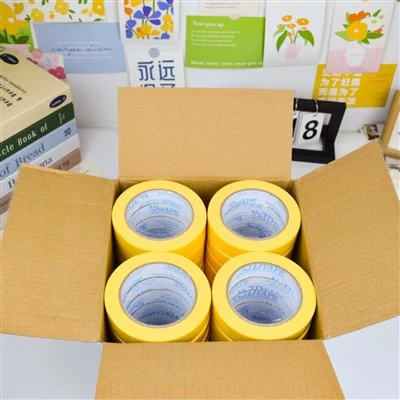
Let’s start with the basics, because even the most seasoned tradespeople sometimes skip this part in favor of quick answers. Single-sided adhesive tape, as the name suggests, has an adhesive coating only on one side of a flexible backing. The backing can be anything from paper, cloth, vinyl, or polypropylene, depending on the use case, and the adhesive is formulated to stick to surfaces while the uncoated other side stays smooth and non-sticky (or sometimes has a light release coating to prevent accidental adhesion). The whole point of single-sided is to attach two things together when only one side is accessible—think of sealing a box, attaching a poster to a wall, or reinforcing a torn piece of fabric. You can’t use it to bond two surfaces where you need both sides to be flat, because the back side is just the backing material, no adhesive there.
Double-sided adhesive tape, by contrast, has adhesive coated on both sides of that flexible backing. The backing is usually thinner than single-sided, often a foam, film, or tissue paper, and to keep it from sticking to itself on the roll, one side has a thin, removable release liner. That liner is what you peel off before applying the tape—one side sticks to Surface A, the other to Surface B, creating a bond between two points without any visible fasteners. The key here is that double-sided works when you need adhesion on both sides, turning two separate surfaces into one unified structure.
The biggest difference, though, isn’t how much adhesive is on each side—it’s the way each tape is engineered for its intended use, and that’s where most of the confusion comes in. Single-sided tapes are designed for shear strength, which is the ability to resist being pulled apart parallel to the surface. A packing tape, for example, is a single-sided acrylic adhesive, formulated to hold heavy boxes closed for weeks, even in temperature swings. The backing is thick and durable, so you can stretch it, tear it, and it won’t fail at the adhesive bond. The adhesive on single-sided is often aggressive—heavy-duty versions use rubber-based adhesives that stick to rough, uneven surfaces like cardboard or wood, which is why people reach for them for construction, packaging, and automotive repairs.
Double-sided tapes, on the other hand, rely on peel adhesion, which is the force needed to pull the tape back on itself at a 180-degree angle. Because they’re bonding two surfaces, their design balances flexibility and adhesion to avoid damaging either surface. For example, a foam-based double-sided tape might be used to mount a sign to a brick wall: the foam compresses slightly to fill in small gaps between the sign and the wall, creating a strong but flexible bond that doesn’t crack the sign’s surface. The adhesive here is usually acrylic or silicone, not as heavy-duty as single-sided, but formulated to spread evenly across two surfaces without leaving residue—a big plus for interior projects like furniture assembly, appliance mounting, or even attaching phone screens to their frames.
Let’s break down use cases to make this concrete, because that’s what customers care about most. If you’re shipping a pallet of goods, or sealing a wooden crate, single-sided is non-negotiable. You can’t seal a box with double-sided tape because you need to apply it to one side and press it to the box’s flap, and double-sided’s release liner makes that impossible. Even in automotive applications, single-sided is used for masking during paint jobs, or for holding trim pieces while a mechanic secures them with screws—you don’t need adhesion on the back of the masking tape, just the front sticking to the car’s body.
Double-sided’s sweet spot is when you want a clean, invisible bond. If you’re a furniture maker assembling a bookshelf, you can use double-sided to hold the side panels to the shelves while you drill screws, creating a temporary bond that’s strong enough to prevent shifting during assembly. If you’re a designer installing window film, double-sided tape works because you want the film flat against the glass, no bubbles, and no sticky side showing on the inside of the room. It’s also used in electronics: internal components in a smartphone are often held with double-sided film tape, because it’s thin enough to fit in tight spaces and doesn’t add bulk that would make the device too heavy.
Another critical difference is temperature and environmental resistance, and that’s where a lot of customers go wrong. Single-sided tapes, especially those with rubber adhesives, often have a lower temperature tolerance—expose them to high heat, and the adhesive softens, causing them to peel. That’s why you’d never use standard single-sided packing tape to secure a trailer’s side panel: it would fall off on a hot highway. Double-sided tapes, though, are often formulated for extreme conditions. Silicone-based double-sided tapes can withstand temperatures from -60°C to 200°C, making them ideal for automotive engines or aerospace applications where heat and cold are constant. They also resist UV rays better, so they’re used for outdoor signage that needs to stay up for years without fading or peeling.
Residue is another big factor. Single-sided tapes, especially cheap ones, often leave a sticky mess when you peel them off—you’ve probably had a poster tear, leaving glue on your wall, or a packing tape that leaves adhesive on a cardboard box. That’s because their adhesive is designed for maximum grip, not easy removal. Double-sided tapes, by contrast, are often formulated with removable adhesives, perfect for when you need to reposition something. A poster double-sided tape, for example, lets you take the poster down without ruining the wall paint, which is a huge plus for renters. Heavy-duty double-sideds, though, will leave residue if you pull them too hard, so if you’re working on a permanent bond, you need to pick the right grade.
Let’s talk about size and flexibility too. Single-sided tapes come in thick, heavy-duty rolls for industrial use, and thin, narrow rolls for crafting. They’re easier to tear by hand, because the backing is stiffer. Double-sided tapes, especially foam ones, are more flexible, so they can conform to curved surfaces like a car’s dashboard or a rounded cabinet edge. Thin film double-sideds are so flexible they can be used in small, tight spaces, like attaching a sensor to a curved pipe.
Now, why does all this matter to you, the person reading this? Whether you’re a small business owner, a tradesperson, a crafter, or an engineer, choosing the wrong tape means wasted time, money, and materials. I’ve had customers come to me after buying double-sided tape to seal their outdoor fence, only to have it fall off in a month because the double-sided wasn’t UV-resistant. I’ve had woodworkers use single-sided tape to attach veneer to a table, only to have the veneer bubble because the single-sided’s adhesive was too thick and didn’t conform to the wood’s grain. That’s why at our company, we don’t just sell tapes—we ask you questions: What surfaces are you bonding? Where will it be used? How heavy is the item? Do you need it to be removable or permanent? That’s the kind of guidance only a supplier who’s worked with every type of adhesive knows to give.
If you’re still not sure which tape is right for your project, don’t guess. Single-sided is for when you only need one side to stick—packing, masking, repairing torn materials, securing items where the back is inaccessible. Double-sided is for when you want a clean, invisible bond between two surfaces, especially when you need flexibility, temperature resistance, or easy repositioning. Whether you’re a small business looking for bulk rolls for packaging, a craftsman needing specialty tapes for a custom project, or an engineer working on a new product, we have a tape formulated for your specific needs.
We work with customers across industries, from local furniture makers to aerospace companies, and we know that the right adhesive tape can turn a good project into a great one. Don’t risk wasting materials or time on the wrong product. Reach out to us to discuss your requirements, and we’ll help you find the perfect tape for your job. Our team has years of experience in the adhesive industry, and we’re here to answer your questions, help you choose the right product, and make sure your project goes smoothly.
Tape Jumbo Roll References
- Adhesive and Bonding Industry Association. (2022). "Adhesive Tape Fundamentals: Single-Sided vs. Double-Sided Design and Application."
- ASTM International. (2021). "Standard Test Methods for Adhesion Strength of Pressure-Sensitive Tapes."
- Modern Materials Manufacturing. (2023). "Specialty Adhesive Tapes for Industrial and Consumer Applications."
- Pressure Sensitive Tape Council. (2022). "Guide to Selecting Pressure-Sensitive Tapes for Construction, Automotive, and Electronics."
Yiwu Yubang Adhesive Products Co., Ltd.
As one of the most professional adhesive tapes manufacturers and suppliers in China, we also support custom service. We warmly welcome you to wholesale high quality adhesive tapes made in China here from our factory. If you have any enquiry about cooperation, please feel free to email us.
Address: 4th Floor, No. 17 Gantang West Road, Yiting Town, Yiwu City, Jinhua City
E-mail: salesmanager@yubangtape.com
WebSite: https://www.yubang-tape.com/
