If you’ve ever stood in a commercial kitchen mid-rush, air thick with greasy fumes, burnt food smells, and the faint tang of exhaust that just doesn’t seem to clear, you might’ve wondered: is that exhaust fan actually working the way it should? As a kitchen exhaust fan supplier with over 12 years on the ground, I’ve heard that question a hundred times—from restaurant owners struggling with health code violations, from facility managers cited for poor indoor air quality (IAQ), even from chefs complaining their food picks up weird, lingering smells. The short answer? A dirty kitchen exhaust fan isn’t just a “grime problem” to ignore—it’s a major, often underrecognized driver of bad air quality, with both short-term and long-term risks that go way beyond just a sticky hood. Kitchen Exhaust Fan
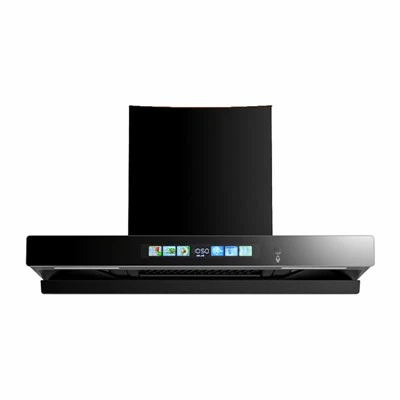
Let’s break this down by how a clean exhaust fan works first, to see what changes when it gets dirty. A well-maintained commercial kitchen exhaust system is designed to pull three main pollutants out of the air before they can build up: particulate matter (tiny bits of grease, food crumbs, and carbon from stovetops), volatile organic compounds (VOCs) from cooking oils, marinades, and burnt food, and even excess heat that can make a kitchen uncomfortable or strain equipment. The fan’s motor, blades, and ductwork work together to move that air from the cooking area out to the outdoors. When grease and food debris build up on the blades, hood interior, and inside ductwork, two things happen immediately: the fan loses efficiency, and it starts acting like a filter that clogs over time, instead of a ventilation tool.
First, reduced airflow means those pollutants don’t get pulled out. I recently worked with a small café in downtown Austin that had skipped fan cleaning for 18 months. When we arrived, their exhaust blades were caked in a half-inch thick layer of yellow grease—hard, crusty, and thick enough that the blades barely moved when we tested the motor (we had to replace one bent blade that the grease had pulled loose mid-rush). Their airflow rate, which the manufacturer specs said should be 1,200 cubic feet per minute (CFM) for their 4-burner range, was down to 450 CFM. That meant instead of pulling 90% of grease and smoke out of the kitchen, it was pulling less than 30%—all that leftover pollution got trapped in the space. The owner told us their staff was complaining of headaches and irritated eyes by the end of each shift, and regular customers mentioned the food had a “funny, greasy aftertaste” even if they ordered a takeout burger. That’s not a flavor issue; that’s leftover grease and VOCs re-circulating back into the kitchen air, then settling on food, plates, and utensils.
But a dirty exhaust fan’s impact on air quality isn’t just about reduced airflow. The grease buildup on blades and ductwork is a perfect breeding ground for mold, bacteria, and even pathogens. Grease is high in organic matter—leftover proteins from meat, sugars from sauces, and fats that break down over time, creating a nutrient-rich environment for microbes. A 2021 study from the National Institute for Occupational Safety and Health (NIOSH) looked at commercial kitchen ventilation systems in 15 mid-sized restaurants and found that 12 had detectable levels of mold (including Aspergillus and Penicillium) on their uncleaned exhaust components, and 8 had traces of E. coli from raw meat runoff that had become trapped in ductwork. When the fan runs, those tiny mold spores and bacteria get pulled into the airstream, then dispersed back into the kitchen air. For staff who work 8+ hours a day in that space, that’s a constant exposure to irritants that can trigger asthma, allergies, and chronic respiratory issues. For customers, it’s a hidden exposure that many never connect to the kitchen’s ventilation system.
Another often-overlooked point: dirty exhaust fans contribute to outdoor air quality issues too. All that excess grease, VOCs, and particulate matter that a clogged fan can’t pull inside ends up venting incorrectly, or seeping back through the building’s HVAC system. I had a client in Dallas who owned a chain of 5 fast-casual Mexican restaurants; three of their locations were flagged by the local air quality district for excess particulate matter in outdoor air near the buildings. When we tested their exhaust fans, we found that the grease buildup on the fan’s backdraft damper (the flap that closes when the fan isn’t running to keep outside air out) was so thick it wouldn’t seal. That meant when the fan ran, it was leaking exhaust air—full of grease particles and VOCs—back into the building’s make-up air system, which brings in fresh outside air. That “fresh” air was actually the restaurant’s own pollution, re-circulated. For neighboring businesses, that meant the outdoor air was picking up grease smells and tiny particles that contribute to smog and poor air quality for the whole block.
You might be thinking, “My fan runs every day, so it can’t be that dirty—but how often is that enough?” The problem is that even daily operation doesn’t prevent buildup. Grease particles are sticky, and they adhere to metal blades and duct walls the second the fan stops moving. Most manufacturers recommend that commercial kitchen exhaust systems get a deep clean every 3–6 months, depending on how heavy the cooking is (high-volume spaces like pizza places or fry shops need monthly cleans, while low-volume cafeterias might be okay every 6 months). Even if you do the external hood cleaning, the internal ductwork and fan blades get missed if you don’t have the right tools, and that’s where the buildup starts.
I’ve seen too many owners cut corners on cleaning, or think a new fan means they don’t have to worry about it. Last year, a hotel in Denver installed a brand-new, high-CFM exhaust fan, skipped the cleaning for a year, and ended up with a fire risk (grease buildup on the blades ignited when a pilot light from a stovetop backdraft reached it) and a $15,000 air quality fine from the state. The fire marshal’s report specifically noted that the clogged fan had caused smoke to back up into the hotel’s dining area, triggering multiple smoke alarms and forcing an evacuation before the fire was contained. That’s a worst-case scenario, but the air quality risks are daily, even when there’s no fire.
So what can you do to make sure your exhaust fan isn’t hurting your air quality? First, schedule regular inspections—most commercial HVAC technicians can check your fan’s CFM output, blade condition, and duct buildup in 30 minutes. If you’re noticing lingering odors, staff respiratory issues, or health code warnings, that’s a red flag to get it checked immediately. Second, pair your fan with the right maintenance schedule, tailored to your cooking volume. As a supplier, I work with clients to set up customized maintenance plans, so they don’t have to remember “is it time to clean yet?”—we send reminders based on their usage data, and can provide certified cleaning services that target both external hoods and internal fan components.

At the end of the day, a kitchen exhaust fan isn’t just a piece of equipment—it’s your first line of defense for indoor air quality, staff health, and even compliance with local regulations. A dirty fan doesn’t just fail to work—it creates hidden pollution that affects everyone in and around your space. If you’re noticing your exhaust fan isn’t performing as it should, or you want to upgrade to a system that’s built for easy maintenance and better air quality, reach out to discuss your specific needs. Let’s make sure your kitchen’s ventilation is working for you, not against your air quality.
Solar Fan References
Occupational Safety and Health Administration (OSHA). (2020). Ventilation in Commercial Kitchens. U.S. Department of Labor.
National Institute for Occupational Safety and Health (NIOSH). (2021). Indoor Air Quality in Commercial Food Service Establishments. Centers for Disease Control and Prevention.
National Fire Protection Association (NFPA). (2022). Standard for Ventilation Control and Fire Protection of Commercial Cooking Operations. NFPA.
American Society of Heating, Refrigerating and Air-Conditioning Engineers (ASHRAE). (2023). Ventilation for Acceptable Indoor Air Quality. ASHRAE.
Shengzhou Geeking Electric Appliance Technology Co., Ltd.
Address: No. 19, Putian Avenue, Pukou Subdistrict, Shengzhou City
E-mail: 13588516010@163.com
WebSite: https://www.geekingfan.com/
