Hey folks, let’s cut to the chase—if you’re here, you’ve probably got some questions about metal barrels, maybe you’re sitting on a stack of old ones, or you’re looking at new barrels for your business and wondering if they’re actually worth the recycling hype. As a metal barrel supplier who’s been in this game for years, I get that confusion. I’ve had customers call me at 2 a.m. panicking because they thought their 55-gallon steel barrels were headed straight to a landfill, or they’re stressed about choosing between new and recycled barrels for their operations. Today, we’re breaking this down real, no jargon, no fluff—just what you need to know about whether metal barrels are recyclable, why that matters, and how we make that process work for you, whether you’re a small café storing pickles or a big industrial plant moving chemicals. Metal Barrel
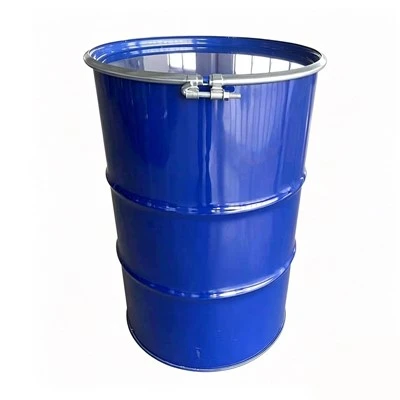
First off, let’s get the basics out of the way: yes, metal barrels are super recyclable. Like, way more recyclable than a lot of the other stuff you might be comparing them to—plastic drums, cardboard containers, even fiberglass tanks. But let’s not just say “yes” without backing that up. Recycling for metal isn’t some myth; it’s a well-oiled (pun totally intended) process that’s been around for decades, and it’s actually way more efficient than recycling most other materials. Let’s talk numbers for a second, because that’s where the science gets real. Steel, which is what 90% of standard metal barrels are made of, has a recycling rate in the U.S. alone of around 88%—that’s higher than aluminum cans, people, which most of us already know are the rock stars of recycling. When you take a steel barrel to a recycling center, it doesn’t get thrown in a pit and left to rust. It gets shredded, sorted, melted down, and turned into new steel products—cars, appliances, construction beams, even new metal barrels. And here’s the kicker: recycling steel uses 75% less energy than making new steel from raw iron ore. That’s a huge win for your bottom line too, because lower energy costs for recyclers mean lower fees if you’re dropping off barrels, or sometimes even cash back for scrap metal.
But wait, not all metal barrels are created equal, right? That’s where things get tricky, because if you’ve got a barrel that held toxic materials, or it’s been sitting in the mud for 10 years rusted through, the recycling process isn’t quite as straightforward. Let’s clarify that: food-grade metal barrels, used for things like honey, pickles, cooking oil, or even water? Super easy to recycle. Chemical-grade barrels, the ones that held things like gasoline, solvents, or fertilizers? That’s where you might need to do a little prep work before recycling. First, you can’t just dump a chemical-laden barrel into a curbside bin—most curbside recycling programs won’t take them, and that’s for good reason. Those residual chemicals can contaminate entire batches of recycled metal. But that doesn’t mean they can’t be recycled at all. We work with a ton of industrial clients who have bulk chemical barrels, and here’s how we handle that: first, they need to dispose of any leftover product properly (no just pouring it down the drain, please—we can point you to certified disposal services if you need that), then they should rinse the barrel out really well a few times, maybe scrub the inside if there’s caked-on residue. After that, most scrap yards will take them, or we’ll even pick up used barrels from clients to send off for recycling when they no longer need them. The key here is that it’s not impossible—it’s just a little more involved than tossing a soda can in your bin.
Now, let’s address the elephant in the room: why does recycling metal barrels actually matter for you, especially if you’re a business? I know, I know, you’ve got a million things on your plate—shipping deadlines, inventory counts, employee schedules—you don’t need another thing to stress about. But here’s the thing: metal barrels are such a versatile product that choosing recyclable ones can actually save you money in the long run, not to mention help your brand if you’re into sustainability. For small businesses, maybe you’re using barrels for seasonal events, like a craft brewery that uses them for tap handles or pop-up bars. Instead of buying new wood barrels every year, you can source used metal barrels, which are cheaper, and then when you’re done with them, you can recycle them—no need to store them in your back shed forever. For industrial clients, think about the cost of waste disposal fees. Many areas charge a premium for industrial waste that’s not recycled, so diverting your metal barrels to recycling instead of a landfill can cut those costs by a lot. And let’s be real—consumers, clients, even regulators are paying more attention to sustainability these days. If you can say that your operation uses 100% recyclable barrels, that’s a huge selling point for a lot of people. We’ve had a few craft food clients tell us that being able to highlight their eco-friendly packaging (even if it’s barrels) has brought in new customers, so that’s not just a nice-to-have—it can drive sales.
Wait, but what about the myth that reused barrels are less safe than new ones? A lot of our clients ask us this, especially when they’re choosing between recycled barrels (we sell refurbished metal barrels too, not just raw recycling) and new ones. Let’s clear that up: refurbished metal barrels go through a rigorous process before they’re resold. First, they’re inspected for damage—any dents deeper than a certain size, rust that’s too severe, leaks? They get pulled out for recycling, no exceptions. Then, they’re cleaned multiple times, often with food-grade cleaners if they’re going to be used for consumables, and sometimes they’re sandblasted and repainted if the client wants a fresh look. We test every refurbished barrel for leaks, too—we fill them with water and check for seepage, so they’re just as safe as a new barrel. And if a barrel’s too far gone to refurbish, we send it straight to our recycling partners, so nothing goes to waste. That’s why we’re not just a barrel supplier—we’re a partner that helps you make the whole lifecycle of your barrels work for you, from purchase to disposal.
Let’s also talk about common mistakes people make when trying to recycle metal barrels, because I’ve seen them all. First, don’t try to cut a barrel up at home if you’re going to recycle it. A lot of people think, “Oh, I can slice this big barrel into small pieces and toss them in my curbside bin!” But metal barrels are thick, and they have bungs, metal lids, and other hard parts that can damage curbside recycling trucks. Plus, if there’s any residual material in there, cutting it open can release fumes that are bad for you. Second, don’t mix your metal barrels with other scrap metal unless you know what you’re doing. If you have a mix of steel barrels, aluminum cans, and copper wire, most scrap yards will pay you different rates for each, so sorting them means more cash back for you. Third, if you’re a small business and you only have a few barrels a year, don’t stress about finding a scrap yard—we offer small-quantity pickup for our clients, so you don’t have to haul 10 barrels 50 miles to a yard. We make it easy.
Now, let’s get to the part that matters most to us, as your go-to metal barrel supplier. We don’t just sell barrels—we’re here to help you navigate the entire lifecycle, because we know that recycling isn’t just a buzzword, it’s a responsibility. Whether you need new barrels for a one-time shipment, refurbished barrels for a craft project, or you need to get rid of old barrels and ensure they’re recycled properly, we’ve got you. We work with every type of client, from home bakers who need a few small barrels for storing flour, to large chemical plants that move thousands of barrels a month. We even offer recycling programs for clients who generate a lot of used barrels, so we’ll handle all the logistics: pickup, sorting, sending them to certified recycling centers, and even providing you with a recycling certificate if you need it for your sustainability reports.
If you’re still on the fence, let’s circle back to that initial question: are metal barrels recyclable? The short answer is a resounding yes, but the long answer is that they’re one of the most sustainable packaging and storage options out there, if you handle them right. They’re durable enough to be used multiple times, recyclable at the end of their life, and the process saves tons of energy compared to making new metal. That’s a win-win for you and for the planet.
Now, let’s make this simple: if you’ve got questions about buying new or refurbished metal barrels, if you need help with recycling your old ones, or if you want to chat about how we can tailor a program for your business, just reach out. We don’t do hard sales pitches—we do honest, no-BS conversations, because that’s how we’ve been doing this for years. No complicated forms, no hidden fees, just straight answers to whatever you need.
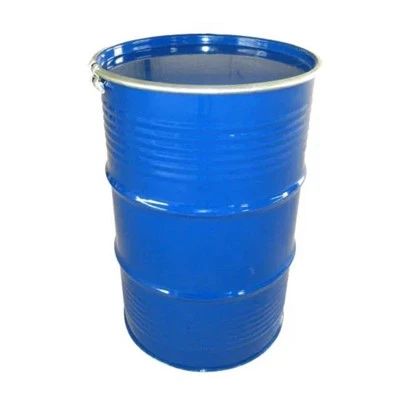
When it comes to metal barrel recycling, don’t overcomplicate it. It’s not as scary as it sounds, and it’s way better for your business and the environment than the alternatives. Let’s make this work together.
Steel Barrel References
- Steel Recycling Institute. (2023). U.S. Steel Recycling Rates and Sustainability Report.
- EPA. (2022). Industrial Metal Recycling Guidelines for Businesses.
- National Food Protection Association. (2021). Requirements for Refurbished Food-Grade Metal Containers.
Anhui Lining Packaging Container Co., Ltd.
We are one of the most professional metal barrel manufacturers and suppliers in China, also support customized service. Please rest assured to wholesale bulk high quality metal barrel in stock here from our factory. If you have any enquiry about quotation, please feel free to email us.
Address: Maodikou Village, Dangshan County, Anhui Province
E-mail: In13905677285@126.com
WebSite: https://www.liningpack.com/
