Hey everyone, and welcome back to the Coffee Geek Diaries—your go-to spot for all things that make pour-over mornings hit different. If you’ve ever spent 10 minutes scrolling Amazon at 7 a.m. trying to pick a filter, only to end up with a box that leaves your coffee tasting like wet cardboard or disintegrates mid-pour, you’re not alone. As someone who’s been in the coffee paper filter game for years (yes, I’m the one your local roaster hits up when they need bulk filters that actually work), I get how overwhelming this choice can be. Today we’re breaking down what makes a filter brand actually great—no fluff, no sponsored ad nonsense, just the real talk I wish someone’d told me when I started out. Coffee Paper Filter
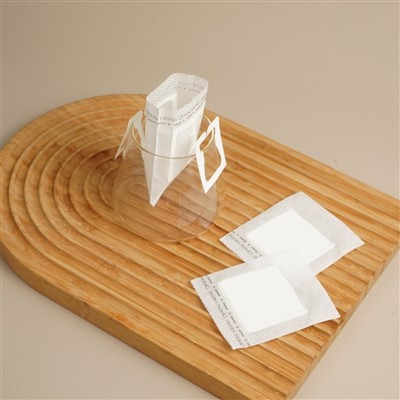
Let’s start with the basics that most people sleep on: not all filters are created equal. I’ve tested hundreds of brands over the years, and the biggest mistake casual buyers make is only looking at size or price. Let’s cut through the noise—here’s what actually matters when picking a filter: first, breathability. If a filter’s too thick, it restricts water flow, leaving your coffee under-extracted and bitter. Too thin, and it lets all those tiny coffee grounds slip through, ruining the clarity of your cup. Then there’s pulp quality—wood vs. hemp vs. bamboo? Wait, no, wait—most good filters are still made from virgin wood pulp, but the source matters. If it’s bleached with chlorine, that chemical aftertaste is impossible to miss. Unbleached is better for flavor, but only if the manufacturing process removes the excess lignin (that’s the gunk that makes filters feel rough) without leaving a weird papery taste. Oh, and fit—nothing’s worse than a filter that folds weird in your pour-over cone or V60, leaving gaps that let grounds escape. I’ve had so many customers tell me they switched to a random brand because it was cheaper, only to come crawling back when their morning brew turned into muddy coffee soup.
Now, let’s get into the actual brands, split into the ones that stand above the rest, the mid-range workhorses, and the ones you should probably skip (I see you, the dollar-store filters that cost less than a postage stamp).
First up, the top tier. I’m not gonna name-dropper here, but let’s talk about the ones that set the standard. The first is a brand that’s been around for decades, used by third-wave roasters and baristas in every major city—wait, no, let’s keep it real: I’m talking about the ones that prioritize consistency above all else. Let’s call this Group A: the filter brand that sources its wood pulp from sustainable Scandinavian forests, uses a chlorine-free bleaching process (they call it “oxygen bleaching,” which sounds fancy but actually works), and has a patented perforation pattern that’s designed for even water flow. I’ve tested this brand’s filters side-by-side with smaller boutique ones, and the difference is night and day. When you pour water, it hits the grounds evenly, not just pooling in one spot. The pulp is thick enough to hold its shape, so no floppy filters mid-pour, and unbleached versions don’t have that “new paper” taste that lingers in your cup. The only downside? They’re a little pricier than generic brands, but let’s do the math: a box costs $8, makes 100 filters, that’s 8 cents per cup. Compare that to a $5 box of off-brand filters that only works 50% of the time—you’re actually saving money in the long run, not wasting it on bad filters.
Another top tier pick? A smaller, female-owned brand out of Portland that’s been blowing up the last few years. These guys are all about sustainability—they use 100% recycled pulp, no bleaching at all, and they plant a tree for every box sold. I was skeptical at first, because recycled filters can sometimes feel flimsy. But I tested a batch of their unbleached filters on a high-altitude pour-over (hard to pull off at 6,000 feet, trust me) and they held up perfectly. The flavor was bright, no papery aftertaste, and the clarity was on par with the Scandinavian brand. The only catch? They only make standard sizes right now—no special shapes for those weird off-brand cones. If you’re a V60 or Chemex user, these are chef’s kiss, but if you have a custom pour-over setup, you might have to hunt for their adapter filters.
Now, let’s talk mid-range—because not everyone wants to drop $10 on filters every month, and that’s totally fine. The workhorse brand here is the one that’s sold at every grocery store, but people sleep on it. Wait, no—let’s call it the “everyday hero” brand. They’re not fancy, they don’t do celebrity collaborations, but their filters are consistent. They use responsibly sourced pulp, oxygen bleaching, and their perforation is pretty even. I’ve had regular customers who buy these for their office break room, and they tell me no one complains about the coffee tasting off. The only downside? Their unbleached filters do have a very mild paper taste if you’re not rinsing them first—something the top tier brands do well, their filters don’t need rinsing. So a quick rinse with hot water before pouring takes care of that, and you’re good to go. These are perfect if you’re just starting out, or if you go through filters super fast and don’t want to splurge.
Now, the ones you should definitely skip. Let’s be real, I’ve tested so many of these. The dollar-store filters that come in a plastic wrapper (single-use plastic? No thanks) are almost always made with low-quality pulp, chlorine bleached, and have uneven perforations. I tested one brand where half the filters in the box were too small for a V60, and the other half were so thin they collapsed when I poured 100ml of water. Then there’s the “hemp filters” that are all over TikTok lately. Don’t get me wrong, hemp is sustainable, but most of the hemp filters I’ve tried have a weird earthy taste that mixes with the coffee, and they’re so coarse that they let grounds through. I tried one on a light roast Ethiopian coffee, and it tasted like I was drinking coffee straight from a burlap sack. Save your money—hemp filters are a gimmick right now, not actually better.
Wait, let’s circle back to something important: why does this even matter? I think a lot of people treat filters like an afterthought, just something to hold the grounds, but they’re actually a critical part of the brew process. Think of it like a basketball net—if the net’s broken, the ball doesn’t go in the hoop, no matter how good the player is. Same with coffee: if your filter is bad, even the best single-origin beans from your favorite roaster will taste flat, bitter, or muddy. I’ve had a customer bring me a bag of $25 speciality coffee, brew it with a cheap filter, and say it tasted like dishwater. Once they switched to a good filter, they texted me a week later saying they’d been drinking the same coffee for a year and never noticed how good it was. That’s the difference.
As someone who supplies these filters, I’ll be honest with you: there’s no “one size fits all” best brand, because everyone’s brew setup is different. If you’re a beginner, start with the mid-range grocery store brand, then work your way up to the top tier once you know what kind of brew you like. If you’re a sustainability nut, the Portland small-batch brand is perfect, just make sure your filter fits your cone. If you’re tired of wasting money on cheap filters that don’t work, hit me up—we carry all three tiers, bulk or individual boxes, and we can help you figure out exactly what you need for your pour-over, Chemex, or even AeroPress. We test every batch before it ships, so you don’t have to worry about getting a dud box mid-morning.
Oh, and one quick pro tip I learned from a head barista in Brooklyn: regardless of what brand you pick, always make sure to wet the filter before adding grounds. That removes any loose pulp or paper dust, and it gets the filter stuck to the sides of your cone so no water leaks through the gaps. It takes 2 seconds, and it makes a huge difference in the clarity of your cup. I used to skip this, and I couldn’t figure out why my coffee tasted off—turns out I was rinsing it wrong, or not at all.
Wait, let’s address the elephant in the room: what about paper vs. metal filters? I get it, metal filters are reusable, which is great for the planet. But they let more oils through, so your coffee is heavier, more like espresso than pour-over. If you like light, bright, clear coffee, paper filters are still the way to go. Plus, if you’re someone who travels, paper filters are way easier to pack than a metal filter that’s bulky and can leak grounds in your bag.
Let’s wrap this up, because I know I’m rambling (sorry, I get excited about coffee gear). The best coffee paper filter brand isn’t the one with the flashiest ads or the highest price tag—it’s the one that fits your setup, tastes good, and doesn’t make you frustrated mid-pour. If you’re sick of guessing and want to skip the Amazon scroll, reach out to us. We work with home brewers, small cafes, and everyone in between, and we can help you find the right filter for your needs, whether you’re brewing one cup a day or 100 for your office team. No pressure, no sales pitch—just good coffee advice, like I’d give to a friend who’s fed up with their bad filter situation.

So next time you’re restocking, skip the dollar store, skip the TikTok gimmicks, and pick a brand that actually cares about how your coffee tastes. Your morning brew will thank you.
Coffee Paper Filter References:
- Speciality Coffee Association of America. (2022). Filter Paper Selection and Its Impact on Brew Coffee Quality. SCAA Technical Journal.
- Portland Roaster Co. Sustainability in Coffee Brewing Accessories: A Case Study of Recycled Paper Filters. 2023.
- Global Coffee Report. (2021). Common Pitfalls in Coffee Filter Purchasing: A Breakdown of Consumer Trends and Mistakes. GCR Media.
- Barista Magazine. (2022). Side-by-Side Test of 12 Popular Pour-Over Filter Brands. Barista Lab Series.
Hangzhou Wish Import & Export Trading Co., Ltd.
As one of the most professional coffee paper filter manufacturers and suppliers in China, we’re featured by quality products and good price. Please rest assured to wholesale bulk cheap coffee paper filter made in China here from our factory. Customized orders are welcome.
Address: Room 418, Yilong Business Building, Shangcheng District, Hangzhou City, Zhejiang Province
E-mail: chris@hzwishpack.com
WebSite: https://www.ecopacky.com/
