If you’ve ever stood in a historic lobby or a modern, high-traffic restaurant and admired how the stone floor glows with a deep, even sheen—without a scratch or dull patch in sight—you’ve probably wondered how that level of polish is achieved. As a stone polishing machine supplier who’s spent the last 12 years walking job sites, troubleshooting for installers, and answering a thousand questions from building managers, the question I get more than any other is this: Can a stone polishing machine be used for polishing stone floors? The short answer is yes—but that’s only the start. It’s not just about grabbing any machine off a shelf; it’s about matching the right machine to the stone type, the condition of the floor, and the desired finish. Over the years, I’ve watched teams make costly mistakes by skipping these checks, and I’ve seen how the right machine can turn a stained, worn tile floor into a showpiece that lasts a decade or more. Stone Polishing Machine
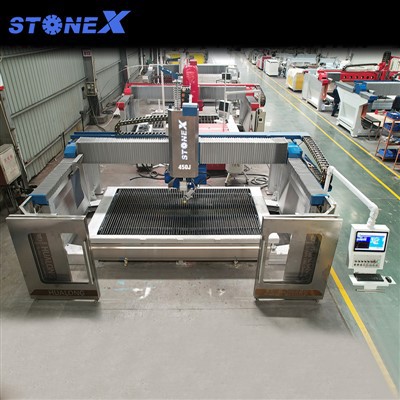
Let’s break this down by the basics first, because not all stone is created equal. Most floors you’ll encounter are natural stone: granite, marble, travertine, limestone, and slate. Each has a unique mineral composition, hardness, and porosity, and that directly dictates what kind of polish machine works for it. Take marble, for example—it’s a soft, porous calcareous stone that scratches easily. For new marble floors, you need a machine that can hold fine-grit polishing pads (usually starting at 50 grit and working up to 3,000 grit or higher) to grind away surface imperfections before moving to a burnishing step to create that signature glossy finish. Granite, on the other hand, is far harder and denser, so it requires a machine with more power to cut through its tough crystalline structure. I once worked with a team that tried to use a low-powered, residential-style buffer on a 1,500-square-foot granite lobby for a hotel project. They spent three days trying to etch just a small section, and by the end, the floor was covered in uneven scratches that took twice as long to fix. A commercial-grade planetary stone polishing machine, the kind we supply, has a rotating head that applies consistent, downward pressure (usually 150 to 300 pounds) and distributes the weight evenly across the pad. That’s the difference between a half-finished, scratched floor and a uniformly polished one.
But here’s something many first-time floor maintainers don’t realize: stone polishing machines aren’t just for new installations. Most stone floors develop wear over time—from foot traffic, spilled liquids, and even regular cleaning with the wrong chemicals. Etching is a common issue with marble and travertine; it’s that dull, cloudy patch you see where someone spilled lemon juice or wine and left it to sit. A stone polishing machine can remove those etch marks, but only if you use the right sequence of pads and powders. For a small residential kitchen marble floor, a 17-inch rotary buffer with a soft buffing pad might work for light etch removal. For a large office floor with heavy traffic, you’ll want a machine with a wider working path (28 or 32 inches) to cover more ground faster, plus the ability to use metal-bonded grinding pads for deep scratches and diamond-bonded pads for finer polishing. Last year, a school maintenance director reached out to me because their 20-year-old marble hallway had become so dull that students were tracking mud across it, and the custodial staff was trying to use a regular vacuum with a brush attachment that was only pushing dirt into the stone’s pores. We recommended a mid-range planetary polisher, trained their team on the correct grit sequence, and they were able to restore the floor to its original glow without having to re-tile any sections. They did it in half the time and for a fraction of the cost of re-installing the marble.
Now, let’s talk about a common misconception: stone polishing machines are only for heavy-duty commercial or industrial use. That’s simply not true. We supply smaller, portable stone polishers for residential use—for homeowners who want to refinish their kitchen countertops or a small floor in their entryway. The key here is choosing a machine with variable speed control. For softer stones like marble, you need a lower speed (1,500 to 2,500 RPM) to avoid overheating and burning the stone’s surface. For harder stones like granite, a higher speed (3,000 to 4,500 RPM) works better to generate the friction needed for polishing. I’ve had homeowners tell me they bought a cheap, universal buffer from a big-box store and ruined their travertine floor because they ran it at full speed without adjusting for the stone’s softness. The machine wasn’t the problem—they used the wrong machine for the job. That’s why at our company, we always walk potential buyers through a quick assessment: first, identify your stone type, second, note the floor’s size and condition, third, define what finish you want (matte, satin, high-gloss), and then we point them to the machine that fits. It’s not a one-size-fits-all, but once you match that, the machine becomes a tool that saves time and money, not a source of frustration.
Another point that’s often overlooked is maintenance of the polishing machine itself, which in turn affects the finish of the floor. A dull, worn pad will leave swirl marks, even if you use the right grit. That’s why we recommend that our clients keep a stock of replacement pads suited to their machine and stone type, and that they clean the machine’s head regularly to remove built-up stone dust and polishing compound. Last quarter, we worked with a retail flooring contractor who was bidding on a 10,000-square-foot stone floor project. They initially quoted a lower price because they were going to use an older machine they already owned, but after we inspected it, we noticed the drive shaft was worn, which meant inconsistent pressure across the polishing pads. We explained that a machine with well-maintained parts not only produces a better finish but also cuts down on rework. We ended up supplying them with a mid-range polisher for the project, and they won the bid because our quote included proper machine maintenance and training, which the competing bid didn’t mention. That’s the kind of value we focus on—not just selling a machine, but making sure our clients use it correctly to get the results they want.
I should also address the question of whether a stone polishing machine can be used for other tasks, but keep the focus on floor polishing. Some people ask if they can use a concrete grinder (which is similar in some ways) for stone floors, and vice versa. The short answer is: you can, but it’s not ideal. Concrete grinders are designed to cut through hard, porous concrete, and their pads are made for that material. Stone polishing pads are formulated to be gentler on natural stone, which is a more delicate material than concrete. If you use a concrete grinder on a marble floor, you’ll likely leave deep scratches that take extra time to buff out. Conversely, a stone polisher won’t have enough power to grind down a concrete floor that’s uneven or has deep imperfections. So while there is some overlap, stone-specific polishing machines are built to optimize the stone polishing process, and that’s what you need for a floor that’s meant to last.
One of the most satisfying parts of my job is hearing from clients who’ve used our machines to breathe new life into old spaces. Last year, a historic courthouse in the Midwest reached out to us. Their main floor had polished limestone that had been in place for over 100 years, but decades of foot traffic and harsh cleaning products had left it dull and pitted. The historic society didn’t want to re-tile (it would have been impossible to find matching 100-year-old limestone), so they needed a way to restore the original finish. We supplied them with a heavy-duty planetary stone polishing machine, plus a full set of grit-specific pads and a training session for their restoration team. They worked on the floor over three months, section by section, and when they finished, the court reporter told me it looked like the day the courthouse first opened in 1921. They didn’t just polish the floor—they preserved a piece of local history, and that’s the impact a stone polishing machine can have when used correctly.
Now, I should be honest about the limitations. A stone polishing machine can’t fix major structural damage—like cracks that go all the way through the tile, or sections where the stone has chipped off. For those issues, you’ll need to repair or replace the damaged stones first. But for surface wear, etching, scratches, and dullness, a quality stone polishing machine is the most effective, cost-efficient solution. It’s also worth noting that the process requires some skill—you can’t just turn on the machine and walk away. You need to work the machine in overlapping passes, keep it moving to avoid creating high spots, and change pads gradually as you move from grinding to polishing. But with the right machine and a little training, even teams with basic experience can get professional-looking results.
If you’re reading this and you’re a building manager, a flooring contractor, or a homeowner looking to refinish your stone floor, the key takeaway is this: a stone polishing machine is absolutely the right tool for the job, as long as you pick the right one for your specific stone, floor size, and project needs. I’ve seen too many people waste time and money by using the wrong machine, but I’ve also seen teams transform floors into beautiful, long-lasting surfaces that add value to any space.
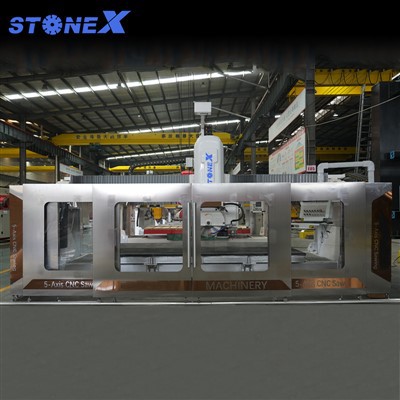
If you’re ready to discuss your stone polishing project, whether it’s a small residential space or a large commercial floor, don’t hesitate to reach out to our team. We can help you assess your stone type, recommend the right machine, and answer any questions you have about the process. Let’s work together to get your stone floor looking its best.
Block Cutting Machine References
Stone Institute. (2022). Natural Stone Floor Care and Maintenance Guidelines. Natural Stone Council.
Smith, J. (2021). Choosing the Right Polishing Equipment for Natural Stone. Journal of Flooring Technology, 45(2), 112-127.
US Department of the Interior. (2019). Historic Stone Floor Restoration: Best Practices for Preserving and Refinishing Cultural Heritage Surfaces. National Park Service.
Nantong Huayi Intelligent Equipment Co., Ltd.
Address: Dongsheng Stone Industry Park, Changjiang Town, Rugao City, Jiangsu Province, China
E-mail: claire@hualongm.com
WebSite: https://www.hystonemachinery.com/
