Hey there! If you’re in the furniture business or just someone who loves sprucing up their living space, you’ve probably come across furniture levelers. You might be wondering, "What materials are these things made of?" Well, I’m here to break it down for you. I run a furniture leveler supply business, and I’ve seen it all. So, let’s dive right in! Furniture Leveler
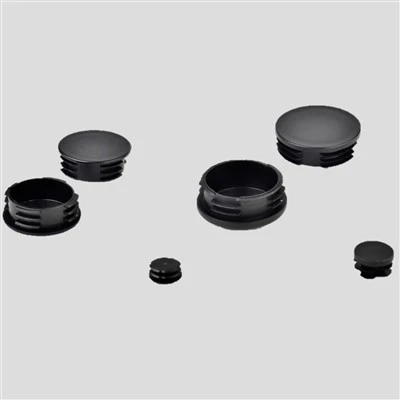
Plastic
Plastic is one of the most common materials used for furniture levelers. Why? Well, it’s super affordable. When you’re making a whole bunch of furniture, keeping costs down is a big deal. Plus, plastic is lightweight. You don’t wanna add extra weight to your furniture just because of the levelers.
There are different types of plastics used. One of the popular ones is polypropylene. It’s tough and can handle a fair amount of weight. You can find it in levelers for medium – sized furniture like side tables or small dressers. It’s also resistant to moisture, which means it won’t rot or get damaged easily in a damp environment. That’s great for furniture in the bathroom or kitchen.
Another type is ABS (acrylonitrile butadiene styrene). It has even better impact resistance than polypropylene. So, if your furniture might get bumped around a bit, levelers made of ABS are a good choice. You’ll often see them in office furniture, like desks that get pushed around all the time.
Plastic levelers are also easy to manufacture. You can make them in all sorts of shapes and sizes with injection molding. This process is fast and efficient, which helps keep the prices low. However, plastic does have its drawbacks. It’s not as strong as some other materials, so it might not be the best for really heavy furniture like large sofas or industrial – style cabinets.
Rubber
Rubber is another awesome material for furniture levelers. Its biggest advantage is its grip. Rubber levelers can stick to the floor really well, which helps prevent your furniture from sliding around. This is especially important for things like chairs. You don’t want to be sitting on a wobbly chair that keeps moving!
There are natural rubbers and synthetic rubbers used. Natural rubber comes from the sap of rubber trees. It’s very elastic and has great shock – absorbing properties. So, if your furniture is in a high – traffic area or is often moved, natural rubber levelers can help reduce the impact on the floor and the furniture itself.
Synthetic rubbers, on the other hand, are made in a lab. They can be customized to have different properties. For example, some synthetic rubbers are more resistant to oil and chemicals. This makes them suitable for use in industrial settings or in areas where spills are common.
Rubber levelers are also soft, which means they won’t scratch your floors. Whether you have hardwood, tile, or laminate floors, rubber will take care of them. But rubber can wear out over time, especially if it’s under a lot of pressure or exposed to extreme temperatures. So, it might need to be replaced more often compared to some other materials.
Metal
Metal is the go – to material when you need a lot of strength. It’s perfect for heavy – duty furniture. There are a few types of metals commonly used in furniture levelers.
Steel is a popular choice. It’s incredibly strong and can support a huge amount of weight. You’ll find steel levelers on big pieces of furniture like industrial bookshelves or large filing cabinets. There are also different grades of steel. For example, stainless steel is resistant to rust and corrosion. This makes it a great option if your furniture is going to be in a humid area, like a basement or a storage facility near the coast.
Aluminum is another metal option. It’s lighter than steel but still fairly strong. Aluminum levelers are often used in furniture where you don’t want too much added weight but still need a decent amount of support. For example, in some modern – style office furniture where weight and mobility are important factors.
One of the downsides of metal levelers is that they can be more expensive than plastic or rubber. Also, if they’re not properly coated, they can scratch your floors. But there are ways to get around that, like adding a rubber or plastic tip to the metal leveler.
Wood
Wood might seem like an old – fashioned choice, but it still has its place in the world of furniture levelers. It gives a natural and warm look to the furniture, which is great for rustic or traditional – style pieces.
Hardwoods like oak or maple are commonly used. They’re strong and durable, and can handle a fair amount of weight. Wood levelers can be made to match the color and finish of the furniture, creating a seamless look.
One of the benefits of wood is that it’s a renewable resource. If you’re into eco – friendly products, wood levelers can be a good option. However, wood is susceptible to moisture. If it gets wet, it can warp or rot. So, it’s important to treat it properly and use it in dry environments.
Composite Materials
Composite materials are a combination of different materials. They’re becoming more and more popular in the furniture leveler industry. For example, some composite levelers are made by combining plastic and fiber. This gives them the best of both worlds. The plastic provides the affordability and ease of manufacturing, while the fiber adds strength.
Another type of composite is a combination of rubber and metal. The rubber provides the grip and shock – absorption, while the metal gives it the strength. These composite levelers are often used in high – end furniture where you need a balance of different properties.
Now that you know about the different materials used in furniture levelers, you can make a more informed decision when it comes to choosing the right ones for your furniture. Whether you’re a furniture manufacturer looking to source the best levelers or a consumer wanting to fix a wobbly piece of furniture, understanding these materials is key.
If you’re in the market for high – quality furniture levelers, we’ve got you covered. We’re a reliable furniture leveler supplier, and we offer a wide range of options made from all the materials I’ve just talked about. Whether you need plastic levelers for cost – effective solutions, rubber levelers for a good grip, metal levelers for heavy – duty use, wood levelers for a natural look, or composite levelers for a combination of properties, we can provide them.

Feel free to reach out to us if you’re interested in purchasing furniture levelers. We’re happy to discuss your specific needs and help you find the perfect levelers for your projects. Whether it’s a small – scale home improvement or a large – scale furniture manufacturing order, we’re here to assist you.
Threaded Inserts for Metal References
- "Materials Science for Furniture Manufacturing" – A textbook on the materials used in the furniture industry.
- "The Handbook of Rubber and Plastic Applications" – A comprehensive guide on the uses of rubber and plastic in various products.
- "Metals in Furniture Design" – An article discussing the role of metals in modern furniture design.
Bai Ye Industrial Co., Ltd.
With abundant experience, we are one of the most professional furniture leveler manufacturers and suppliers. We warmly welcome you to buy discount furniture leveler for sale here from our factory. All customized products are with high quality and low price. Contact us for quotation.
Address: No.178, Sec. 2, Zhangyuan Rd., Huatan Township, Changhua County 503, Taiwan (R.O.C.)
E-mail: judy@ku-ping.com.tw
WebSite: https://www.baiyemfg.com/
