As a seasoned supplier in the bolts and screws industry, I’ve encountered numerous inquiries regarding the standard lengths of these essential fasteners. Understanding the standard lengths is crucial for both manufacturers and end – users, as it ensures compatibility and proper functionality in various applications. Bolts and Screws
1. Understanding Bolt and Screw Basics
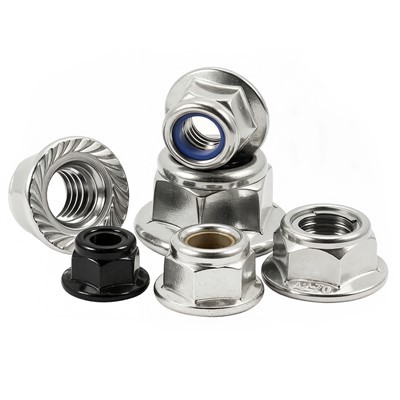
Before delving into the standard lengths, it’s essential to distinguish between bolts and screws. A bolt is typically a threaded fastener that is used with a nut, while a screw is designed to be inserted into a pre – drilled or tapped hole. Both serve the purpose of holding two or more objects together, but their designs and usage scenarios vary.
2. Common Standard Lengths
2.1. Metric System
In the metric system, bolt and screw lengths are usually specified in millimeters. Common lengths for small machine screws range from 3mm to 10mm. These short lengths are often used in electronics, precision instruments, and small appliances. For example, in the assembly of a smartphone, 3mm or 5mm screws are used to hold the internal components together.
As we move to larger applications, lengths such as 12mm, 16mm, 20mm, and 25mm are quite common. These are frequently used in automotive and machinery manufacturing. For instance, in the engine block of a car, 16mm or 20mm bolts are used to secure various parts, ensuring the proper functioning and stability of the engine.
For heavy – duty applications, lengths can go up to 50mm, 100mm, or even longer. In construction and large – scale machinery, 50mm to 100mm bolts are used to connect structural elements, providing the necessary strength and durability.
2.2. Imperial System
In the imperial system, lengths are measured in inches. Small screws may have lengths like 1/8 inch, 3/16 inch, or 1/4 inch. These are commonly used in woodworking, cabinetry, and small – scale DIY projects. For example, when building a small wooden box, 1/4 – inch screws are ideal for joining the pieces of wood together.
Medium – sized bolts and screws often have lengths of 1/2 inch, 3/4 inch, and 1 inch. These are used in a wide range of applications, from furniture assembly to light – industrial machinery. In a home workshop, a 1/2 – inch bolt might be used to attach a vice to a workbench.
Longer bolts, such as 2 inches, 3 inches, and 4 inches, are used in heavy – duty construction, bridge building, and large – scale manufacturing. In a bridge construction project, 4 – inch bolts are used to connect the steel girders, providing the structural integrity required to support the weight of the traffic.
3. Factors Influencing Standard Length Selection
3.1. Material Thickness
One of the primary factors in determining the standard length is the thickness of the materials being joined. The bolt or screw should be long enough to pass through all the materials and engage with the nut or the tapped hole sufficiently. For example, if you are joining two pieces of wood, each 1/2 inch thick, a 1 – inch screw would be a suitable choice to ensure a secure connection.
3.2. Application Requirements
The specific application also plays a significant role. In applications where vibration is a concern, such as in automotive engines or industrial machinery, longer bolts may be required to provide a more secure connection. This is because longer bolts have more threads engaged, which helps to prevent loosening due to vibration.
In contrast, in applications where space is limited, shorter bolts or screws must be used. For example, in the interior of an electronic device, space is at a premium, so short screws are used to hold the components in place without interfering with other parts.
3.3. Load – Bearing Capacity
The load – bearing capacity of the joint is another crucial factor. In high – stress applications, longer bolts or screws are often used to distribute the load more evenly. For example, in a large – scale construction project, longer bolts are used to transfer the weight and stress from one structural element to another, ensuring the overall stability of the structure.
4. Industry Standards and Regulations
Different industries have their own standards and regulations regarding the use of bolts and screws. For example, the automotive industry follows strict standards set by organizations like the Society of Automotive Engineers (SAE). These standards specify the dimensions, materials, and performance requirements for bolts and screws used in vehicles.
In the aerospace industry, bolts and screws must meet even more stringent requirements due to the high – risk nature of the applications. The National Aerospace Standards (NAS) define the standards for fasteners used in aircraft, ensuring the safety and reliability of the aircraft.
5. Ensuring Quality and Compatibility
As a bolts and screws supplier, I understand the importance of ensuring the quality and compatibility of our products. We source our raw materials from reliable suppliers and follow strict manufacturing processes to ensure that our bolts and screws meet or exceed the industry standards.
We also offer a wide range of lengths and sizes to meet the diverse needs of our customers. Whether you are a small – scale manufacturer or a large – scale construction company, we have the right bolts and screws for your application.
6. Custom – Made Solutions
In addition to our standard product offerings, we also provide custom – made solutions. If you have specific length requirements that are not available in our standard product range, we can work with you to develop custom – made bolts and screws. Our team of experienced engineers and technicians will work closely with you to understand your needs and ensure that the custom – made products meet your exact specifications.
7. Importance of Choosing the Right Supplier
Choosing the right bolts and screws supplier is crucial for the success of your project. A reliable supplier should not only offer high – quality products but also provide excellent customer service. At our company, we are committed to providing our customers with the best possible products and services.
We have a team of knowledgeable sales representatives who can assist you in choosing the right bolts and screws for your application. We can also provide technical support and advice on installation and usage.
8. Contact for Procurement and Discussion
If you are in need of bolts and screws for your project, we encourage you to reach out to us. We are ready to engage in in – depth procurement discussions to understand your specific requirements and offer you tailored solutions. Whether you need standard lengths or custom – made products, we have the expertise and resources to meet your needs.
Riveting In conclusion, understanding the standard lengths of bolts and screws is essential for a successful project. By considering factors such as material thickness, application requirements, and load – bearing capacity, you can choose the right fasteners for your needs. And with a reliable supplier like us, you can be confident in the quality and compatibility of the products you purchase.
References
- Machinery’s Handbook, 30th Edition
- Standards of the Society of Automotive Engineers (SAE)
- National Aerospace Standards (NAS)
Shanghai Megood Metal Products Co., Ltd.
As one of the most experienced bolts and screws manufacturers and suppliers in China, we have world-leading production equipment and strong manufacturing capabilities. Please rest assured to wholesale bulk bolts and screws made in China here and get quotation from our factory. Customized orders are welcome.
Address: Building 8, No. 1500 Huiren Road, Waigang Town, Jiading District, Shanghai
E-mail: liujingshco@163.com
WebSite: https://www.mgx-hardware.com/
