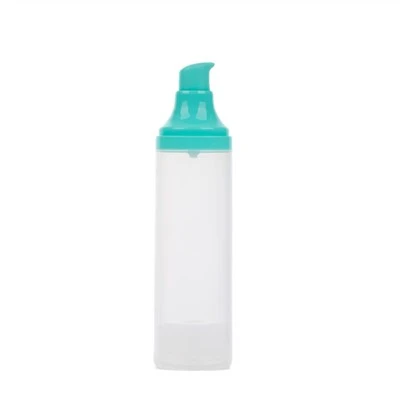
Hey there! I’m a supplier in the cosmetic packaging industry, and let me tell you, climate plays a way bigger role in our game than most people think. Over the years, I’ve seen firsthand how different weather conditions can mess with cosmetic packaging. So, let’s dive into how climate affects cosmetic packaging. Cosmetic Packaging
Temperature and its Impact
First off, temperature is a real game – changer. We all know that heat can be a total nightmare for packaging. When it gets super hot, materials start to act up. Take plastics, for example. A lot of our cosmetic containers are made of plastic. High temperatures can cause plastic to expand. This might not seem like a big deal at first, but if the expansion is uneven, it can lead to cracks or warping in the packaging.
I remember one summer, we had a shipment of lip balm tubes going to a really hot region. The plastic tubes started to deform, and some of them even cracked open. This was a disaster because not only did the product inside get exposed and potentially contaminated, but it also looked bad for the brand. Customers were not happy, and we had to work hard to fix the situation.
On the flip side, cold temperatures can also be a problem. Plastic becomes brittle in the cold. If the packaging is dropped or handled roughly in low – temperature conditions, there’s a high chance it’ll break. Glass containers, which are often used for high – end cosmetics like perfumes, are also at risk. Cold temperatures can make the glass more prone to shattering. I’ve seen glass perfume bottles crack during winter shipments, and that’s a huge loss for both us and the brand.
Another thing about temperature is its effect on seals and closures. Heat can cause the seals on jars and bottles to loosen. This means that the product inside is more likely to leak or dry out. And in cold weather, the materials in the seals can become less flexible, leading to gaps that let air and moisture in.
Humidity and Moisture
Humidity is another major factor. High humidity levels can be a breeding ground for mold and mildew. If the cosmetic packaging isn’t properly sealed, moisture can seep in. This is especially bad for products like creams and lotions. The moisture can change the texture of the product, and in some cases, it can even cause the product to spoil.
I once had a client who was selling a natural face cream. They used a simple paper – based label on the jar. In a high – humidity environment, the label started to peel off because the glue got wet. Not only did it look unprofessional, but it also made it difficult for customers to read the product information.
In addition to that, humidity can affect the integrity of cardboard boxes. Cardboard is a common choice for outer packaging of cosmetics. When it gets wet, it becomes weak and can collapse. This is a huge issue during shipping, as damaged boxes can lead to the inner packaging getting damaged too.
On the other hand, low humidity can cause problems as well. It can make materials like paper and cardboard dry and brittle. This means they’re more likely to tear or break. And for some plastic materials, low humidity can cause static electricity to build up. This static can attract dust and dirt, making the packaging look dirty and unappealing.
Sunlight and UV Radiation
Sunlight, especially the UV radiation in it, is a big no – no for a lot of cosmetic products and their packaging. UV rays can cause fading. If you’ve ever seen a lipstick tube or a perfume box that has lost its color, it’s probably due to UV exposure. This is not just a cosmetic issue (pun intended). It can also affect the perceived value of the product. Customers are more likely to buy a product that looks fresh and vibrant.
UV radiation can also break down certain materials. For example, some plastics can become weaker and more brittle when exposed to UV rays over time. This can lead to the same problems as cold – induced brittleness, such as cracking and breaking.
We once supplied packaging for a line of sun – care products. Even though these products are designed to protect against the sun, their packaging still needed protection. We had to use special UV – resistant coatings on the plastic bottles to prevent them from degrading. Otherwise, the packaging would have looked terrible after just a short time on the store shelves.
How We Adapt as a Supplier
As a cosmetic packaging supplier, we’ve had to come up with ways to deal with these climate – related issues. When it comes to temperature, we use different materials depending on the destination. For hot regions, we might choose plastics that are more heat – resistant. We also make sure to test the packaging under extreme temperature conditions to ensure it can withstand the journey.
To combat humidity, we offer better sealing options. For example, we use double – layer seals on jars and bottles to prevent moisture from getting in. And for cardboard boxes, we can apply waterproof coatings to make them more resistant to dampness.
When it comes to UV protection, we use UV – blocking additives in plastics and apply UV – resistant coatings to labels and boxes. This helps to keep the packaging looking good for longer.
Why Climate – Considered Packaging Matters
You might be wondering why all this climate – related stuff matters so much. Well, for one, it’s about product quality. If the packaging fails due to climate conditions, the product inside can be damaged or spoiled. This leads to unhappy customers and a bad reputation for the brand.
Secondly, it’s about cost – efficiency. By using climate – appropriate packaging, we can reduce the number of returns and damaged products. This saves money for both the brand and us as a supplier.
Finally, it’s about sustainability. If we can create packaging that lasts longer and is less likely to be damaged by climate, we’re reducing waste. This is good for the environment and also aligns with the growing trend of eco – friendly products.
Let’s Talk!
Chemical Packaging If you’re in the cosmetic industry and are worried about how climate might affect your product’s packaging, I’d love to have a chat. We’ve got years of experience dealing with these issues, and we can come up with the perfect packaging solution for your products. Whether you’re shipping to a hot and humid tropical country or a cold and dry northern region, we’ve got you covered. So, don’t hesitate to reach out and let’s start a conversation about your cosmetic packaging needs.
References
- "The Effects of Environmental Conditions on Packaging Materials" by Packaging Research Institute
- "Cosmetic Packaging: Design and Functionality" in Cosmetic Science Journal
- "Climate – Related Challenges in the Packaging Industry" from Packaging World Magazine
Jiangsu Welljoin Plastic Co., Ltd.
As one of the most professional cosmetic packaging manufacturers and suppliers in China, our products have good reputation in the market. Please rest assured to wholesale bulk premium cosmetic packaging from our factory. Good service and quality products are available.
Address: No.6 Chuangye Road, Xuanbao Industrial Park, Taixing, Jiangsu, P.R. China
E-mail: paul@welljoin.com.cn
WebSite: https://www.welljoin-pack.com/
