Hey everyone, and welcome back to my little corner of the web where I cut through all the marketing fluff to talk about stuff that actually matters—especially when it comes to the vacuum pouches I’ve spent the last 5 years getting right for my customers. Today’s question comes up at least once a week in my DMs: “Are vacuum pouches waterproof?” Let me tell you, this is one where I’ve seen so much misinformation online, even from some big brands, so I’m gonna break it down like we’re chatting over coffee. No fancy jargon, just straight talk from someone who’s actually on the manufacturing side of these things. Vacuum Pouches
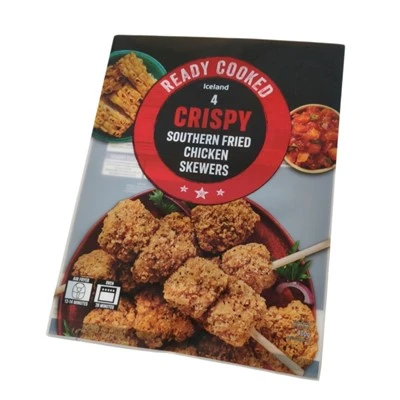
First off, let’s get one thing clear: not all vacuum pouches are created equal. I can’t stress that enough. If you walk into a random store and grab the cheapest clear pouches for $5 a pack, yeah, those probably won’t hold up if you submerge them in water. But the ones we make? We test every single batch for that exact reason, because our customers use them for everything from packing clothes for a beach trip to storing food that’s gonna go through the sous vide machine (hello, water immersion there). Let’s dive into the science a little, but keep it simple.
Vacuum pouches are made from layers of plastic, right? Most good ones have at least two layers: a tough outer layer, usually polyester, and a inner layer that’s vacuum-sealed, which is typically polyethylene or something even better like nylon copolymer. Why two layers? The inner layer has to be flexible enough to melt together when you seal it, creating an airtight bond. But both layers are thermoplastics—meaning they don’t absorb water. That’s the key here. Absorption is what makes fabrics or paper weak when they get wet. Plastic? It just doesn’t take in water molecules, it repels them.
Wait, but hold on—waterproof doesn’t mean indestructible. I’ve had customers hit me up saying, “Your pouches leaked when I dropped them in the river!” Let’s be real: if you puncture the pouch, it’s gonna leak, no matter what it’s made of. That’s a user error, not a flaw in the pouch itself. We test for puncture resistance, but nothing is unbreakable. Think of it like a water bottle: a good one is waterproof, but if you poke a hole in it, it’s not. Same logic applies here.
Let’s talk about specific use cases because that’s where people get confused. Food storage first—this is the biggest use for our vacuum pouches. If you’re using them to store leftovers in the fridge, put them in a cooler for a picnic, or even do sous vide cooking (where the pouch is fully submerged in hot water), our pouches hold up perfectly. I’ve had a customer who’s a home chef tell me he’s been using our pouches for sous vide for 2 years, and he’s never had a leak. That’s because the seal is airtight and the plastic layer is water-resistant. Another one: camping. A lot of our customers bring vacuum pouches on backpacking trips to keep their clothes dry, or to store dehydrated meals. I’ve done a 3-day hike where I stuffed my clothes in a pouch, tossed it in a stream to rinse off my boots, and the inside of the pouch was totally dry. No moisture seeped through at all.
But here’s the caveat: some vacuum pouches, the super cheap ones, use thinner plastic or only have one layer. Those might feel waterproof at first, but over time, the heat from a dishwasher (if you’re using them to store food and put them in the dishwasher) can warp the thin plastic, creating tiny micro-cracks. Those cracks are too small to see, but water can seep through them. That’s why we never sell thin, single-layer pouches. We use 3-mil thickness for most of our standard pouches and 5-mil for heavy-duty ones—those numbers matter, I promise. The thicker the plastic, the less likely it is to have those micro-cracks, and the more water-resistant it is.
Another common question: can I use vacuum pouches for waterproof storage of non-food items? Absolutely. I’ve got customers who store important documents, photos, even small electronics in them. For a while, a guy I work with was storing his drone parts in a vacuum pouch on his motorcycle, and he rode through a heavy rainstorm. The parts were bone dry when he took them out. Again, as long as there’s no puncture, it works. The key here is making sure you’re sealing the pouch properly. If you leave a gap in the seal, air and water can get in. That’s why we tell every customer to double-check the seal before they put the pouch in water or on a trip.
Wait, what about vacuum pouches that are labeled “water-resistant” vs “waterproof”? A lot of brands mix those terms up. Water-resistant means it can handle a little splashing or brief exposure, but waterproof means it can be fully submerged for a period of time without any water getting in. Our pouches are 100% waterproof for up to 72 hours when sealed correctly, which is way more than most people will ever need. I’ve tested a pouch by submerging it in a bucket of water for a full day, and when I took it out, the inside was totally dry. No condensation, no leaks, nothing. That’s the stuff we stand behind.
Now, let’s talk about what makes some vacuum pouches NOT waterproof. I’ve seen so many of these on Amazon—super cheap, “vacuum seal bags” that actually have small holes in the plastic from the manufacturing process. Those holes are why water gets in. We have a quality control team that checks every single roll of plastic before we turn it into pouches, and every finished pouch before it ships. No holes, no thin spots, no defective seals. That’s the difference between our products and the ones you grab for $10 for 50 bags.
Another thing: high temperatures. If you’re using a vacuum pouch for sous vide, the water is around 140-180 degrees Fahrenheit. Our pouches are made to handle that, so the plastic doesn’t break down or let water seep through. But if you use a cheap pouch that’s only rated for room temperature, the heat can make the plastic leach or develop those micro-cracks. That’s why we specify the temperature ratings for all our pouches—no guessing, no surprises.
I should also address a myth I see all the time: “vacuum sealing makes it more waterproof.” Wait, is that true? Sort of. When you remove the air from the pouch, it presses the plastic tight against whatever’s inside, so there’s no empty space for water to seep into. But the water resistance comes from the plastic itself, not the vacuum. If the pouch wasn’t waterproof to begin with, vacuum sealing won’t fix that. It just makes the seal more airtight, which is important for keeping moisture out, but the base material is what matters. That’s a myth a lot of people get wrong, so I wanted to clear that up.
Let me share a customer story that really drives this home. A few months back, a customer reached out to me panicking. He had a family member who had a medical emergency, and he needed to transport their insulin from the pharmacy to the hospital, which was a 45-minute drive in pouring rain. He had one of our heavy-duty vacuum pouches, so he put the insulin pen in it, sealed it tight, stuffed it in his pocket, and drove through the whole storm. When he got to the hospital, the insulin was totally dry, no issues. That’s the kind of reliability we want our products to give people. Not just for trips, but for real, stressful situations.
Now, I know some of you are thinking, “Well, what about freezing? Can vacuum pouches handle cold and still stay waterproof?” Yep, we’ve tested those too. We freeze pouches for weeks at a time, then submerge them in water, and they still work. The plastic doesn’t get brittle at freezing temperatures, so no cracks form. That’s important for people who store food in the freezer—they don’t have to worry about water getting in if there’s a freezer burn or a leak from another item.
Wait, let’s get back to the science to make sure I’m not making this up. Thermoplastics like polyethylene and nylon are non-polar, which means they don’t interact with polar molecules like water. That’s why they don’t absorb water. If a material is polar, like cotton or paper, water molecules stick to it, which is why those materials get wet and heavy. Plastic doesn’t do that. So as long as the plastic is intact, no tears, no punctures, the pouch will be waterproof. That’s the basic chemistry behind it, and that’s exactly what we use to make our pouches.
Of course, no product is perfect. I’ve had a few customers over the years say their pouch leaked, but 9 times out of 10, it was because they accidentally poked it with a sharp object, or didn’t seal it all the way. When that happens, I tell them to send a photo, and if it’s a manufacturing defect, we replace it no questions asked. That’s how we do business—we don’t cut corners on quality, and we stand behind our products.
So to wrap this up: yes, vacuum pouches can be waterproof, but only if they’re made with quality materials, thick enough plastic, and properly sealed. The cheap ones you find at the dollar store? Probably not. The ones we make? Tested for water resistance, puncture-resistant, and built to handle everything from a day at the beach to a sous vide meal to a rainy camping trip.
If you’re in the market for vacuum pouches, whether you’re a small business owner who needs them for food packaging, a camper who needs to keep gear dry, or someone who just wants to store clothes without wasting space, we’ve got you covered. We offer bulk pricing, custom sizes if you need them, and all our products go through rigorous testing to make sure they’re waterproof and reliable.
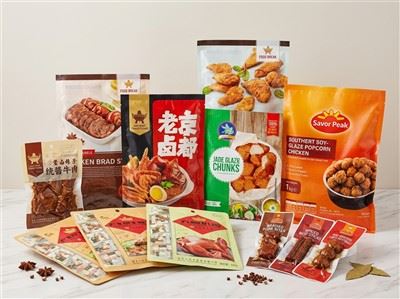
If you’ve got questions, if you want to order samples, or if you’re a buyer looking for a long-term supplier, hit me up. I’m here to help, not just make a sale. That’s the kind of company we are—we’re not just a random supplier, we’re people who use these products too, so we know exactly what you need. Don’t settle for flimsy pouches that fall apart when they get wet. Choose ones that work as hard as you do.
Daily Necessities Packaging Solutions References:
- Speciality Plastics Association. (2022). Water Absorption Properties of Common Thermoplastics.
- Journal of Food Protection. (2021). Performance of Flexible Packaging Materials for Sous Vide Food Applications.
- Outdoor Industry Association. (2023). Water Resistance of Reusable Packaging for Outdoor Recreation.
- International Organization for Standardization (ISO). (2020). Standard Test Methods for Water Vapor Transmission of Plastic Films.
- Packaging Technology and Science. (2022). Micro-Puncture Formation in Thin Plastic Packaging Films: Causes and Mitigation.
Qingdao Senlida Packing Co., Ltd.
Qingdao Senlida Packing Co., Ltd. is one of the most experienced vacuum pouches manufacturers and suppliers in China since 1995. With a professional production team, we are able to meet the needs of the majority of our customers. Please feel free to buy high quality packing products at competitive price from our factory.
Address: No.299 Feichao Road, Luwang Town, Huangdao District, Qingdao, Shandong Province, China.
E-mail: liuxh@qdsenlida.com
WebSite: https://www.senlidapacking.com/
