When customers first reach out to me asking about gas-fired furnaces, the conversation almost always circles back to one question: “Are they actually bad for the environment?” For years, this has been a loaded debate—pitting the convenience and efficiency of gas heating against the growing urgency of cutting carbon emissions. As a supplier who’s worked directly with residential and commercial clients for over a decade, I don’t shy away from the hard data here. But I also don’t push a one-size-fits-all answer. Let’s break this down the way I do with every client, mixing hard science, real-world use cases, and what actually moves the needle for environmental impact. Gas-Fired Furnace
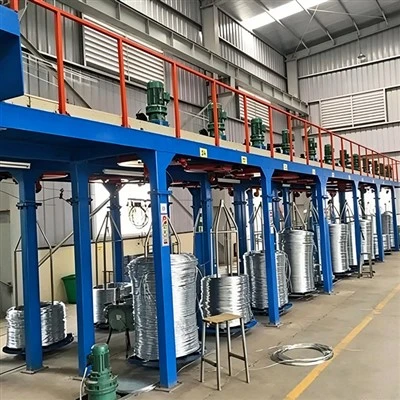
First, let’s start with the basics: how a gas-fired furnace works. Unlike older oil furnaces that burn thick, carbon-heavy fuel and release far more pollutants, a modern gas furnace runs on natural gas—primarily methane, which is processed to remove most impurities before delivery. When properly maintained and calibrated, a high-efficiency gas furnace burns methane to produce heat, with the primary byproducts being carbon dioxide (CO2) and water vapor. That’s not nothing, but it’s cleaner than many alternatives, right? The key here is efficiency: older furnaces might hit 60% annual fuel utilization efficiency (AFUE), meaning 40% of the fuel’s energy is lost up the flue. Today, top-tier models hit 98% AFUE, meaning nearly all the fuel’s energy goes into heating your space. That’s a huge difference in output per unit of fuel burned.
But let’s get to the heart of the environmental conversation: greenhouse gas emissions, which drive climate change. Natural gas is often criticized as a “fossil fuel,” and that’s true—methane is a potent greenhouse gas, 28 times more effective at trapping heat in the atmosphere than CO2 over a 100-year period. But here’s where the science gets nuanced: the biggest environmental impact of gas-fired furnaces isn’t just what comes out of the exhaust pipe. It’s the upstream emissions—leaks during extraction, processing, and transportation. The EPA estimates that between 2018 and 2022, methane leaks from U.S. natural gas infrastructure averaged around 1.4% of total production. If those leaks were higher, they could erase the benefit of burning natural gas instead of coal, which emits about 50% more CO2 per unit of heat. But for most well-maintained modern networks, that upstream leakage is low enough that gas still outperforms coal in greenhouse gas intensity.
Wait, but what about renewable natural gas (RNG)? That’s a game-changer a lot of my clients don’t know about. RNG is made from organic waste—landfill gas, agricultural manure, food scraps—processed to be chemically identical to conventional natural gas. When you run a furnace on RNG, the CO2 released when it burns was recently absorbed by plants as they grew, so it’s a closed carbon loop, not adding new carbon to the atmosphere. Some utilities offer RNG blends up to 100% for residential and commercial use, and I’ve helped dozens of clients switch to these blends to cut their heating emissions by 70-90% overnight without replacing their existing furnace. That’s a big selling point for people who want to reduce their carbon footprint without the cost of a full heat pump installation, which can run $10,000 or more depending on your home size.
Now, let’s compare gas furnaces to their main competitor: electric heat pumps. That’s where a lot of the debate gets heated, and as a gas furnace supplier, I’m not here to bash heat pumps—they’re fantastic for mild climates, and they’re getting more efficient every year. But for customers in cold regions (think northern U.S. or Canada), heat pumps have a big limitation: when temperatures drop below freezing, their efficiency plummets. Older heat pumps might only be 50-60% efficient at 0°F, meaning they need backup resistance heating, which runs on electricity that’s often generated from fossil fuels in many parts of the country. That can erase much of their emissions benefit. I had a client in Minneapolis last winter who swapped his 90% AFUE gas furnace for a heat pump, only to get a $300 heating bill in January vs. $180 the year before with his gas furnace. That’s not just a financial hit—it’s an emissions hit, because his backup heating was running on local coal-fired power.
Another point often missed: air quality. Gas furnaces, when well-maintained, don’t release the tiny particulate matter, nitrogen oxides, or sulfur dioxide that oil furnaces and old wood-burning stoves do. The EPA estimates that residential gas heating contributes far less to ground-level ozone (smog) than other heating sources, especially in urban areas. That’s a big deal for vulnerable populations—kids, the elderly, and people with asthma—who suffer most from air pollution. Now, if your furnace is old and poorly maintained, it can develop leaks or backdrafting, which releases carbon monoxide into your home. That’s a safety hazard, but it’s not a flaw in the gas itself—it’s a flaw in upkeep, which is easy to fix with annual service.
But let’s be clear: gas furnaces aren’t perfect. They run on a finite fuel source, and even with RNG, they still emit some CO2. For customers looking for a zero-emission heating solution long-term, heat pumps or geothermal systems are the way to go. But the idea that all gas furnaces are equally bad for the environment is a myth. It all comes down to three factors: efficiency of the furnace, the source of the natural gas, and how it’s compared to other heating options in your specific climate and energy grid.
I see this play out every day. A small café in upstate New York switched to a 95% AFUE gas furnace and a 50% RNG blend. Their annual heating emissions dropped by 35% in the first year, and their energy bill was $1,200 lower than when they used an old 70% AFUE furnace. A homeowner in Phoenix, where temperatures rarely drop below 50°F, went with a heat pump and cut their emissions by 60%—no regret there. A family in Detroit, where winter temperatures stay around 20°F for months, stuck with their high-efficiency gas furnace and added a RNG blend, avoiding the $8,000 cost of a heat pump upgrade while still cutting their emissions by almost half.
The biggest mistake I see customers make is writing off gas furnaces entirely because of blanket statements about fossil fuels. Climate action isn’t about being perfect—it’s about making the best choice for your specific situation, right now. For many people, a modern gas furnace with a RNG blend is a more environmentally responsible choice than a poorly installed heat pump that relies on dirty grid electricity in cold weather. It’s also cheaper upfront, easier to install, and works with existing home infrastructure, so no major renovations needed.
That said, I always make sure clients know the trade-offs. If you live in a region with a clean grid—like the Pacific Northwest, where most electricity comes from hydroelectric power—a heat pump will almost always be better for the environment. If you’re building a new home from scratch, geothermal heating is a great long-term investment. But if you’re retrofitting an older home in a cold climate, a high-efficiency gas furnace with RNG is a middle ground that delivers real environmental benefits without breaking the bank.
At the end of the day, my job isn’t to sell every client a gas furnace. It’s to give them the facts, based on their location, budget, and environmental goals, so they can make the right choice. For someone asking “is a gas-fired furnace bad for the environment?” the answer is: not if it’s the right fit for your needs, and you optimize it with high efficiency and low-carbon fuel blends. For many people, that’s a reality that balances environmental action with practicality.
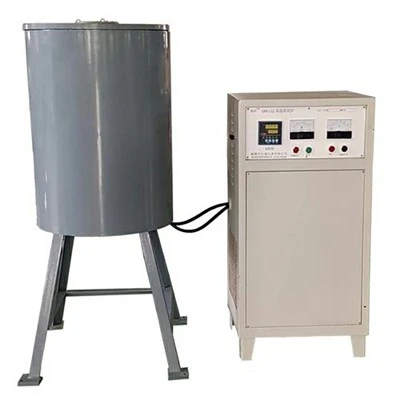
If you’re weighing your heating options and want to get a clear breakdown of emissions, costs, and the best fit for your home or business, reach out to discuss your needs. We can talk through efficiency ratings, RNG availability in your area, and how different options stack up against the environmental goals that matter most to you.
Quenching Furnace References
U.S. Environmental Protection Agency. (2023). Natural Gas Infrastructure Methane Emissions. EPA.gov.
U.S. Department of Energy. (2022). Furnace Efficiency and AFUE Ratings. Energy.gov.
International Energy Agency. (2021). Renewable Natural Gas Market Report. IEA.org.
National Renewable Energy Laboratory. (2023). Heat Pump Performance in Cold Climates. NREL.gov.
Jiangsu Fangwei Furnace Industry Co., Ltd.
Jiangsu Fangwei Furnace Industry Co., Ltd. is one of the most professional gas-fired furnace manufacturers and suppliers in China. With abundant experience, we are committed to providing high quality customized products with competitive price. Please feel free to buy advanced gas-fired furnace made in China here from our factory.
Address: No.168, HuangNian Bridge, DaoShu Town, Danyang City, JiangSu Province, China
E-mail: fangwei@fwfurnaces.com
WebSite: https://www.fwfurnaces.com/
