If you’ve ever worked in construction—handling rebar, cutting lumber, lifting metal sheets, or sorting debris—you’ve probably grabbed a pair of gloves without a second thought. Most of us in the trade just assume construction gloves are there to keep scrapes and splinters at bay. But here’s a question I get all the time from guys on the job site and even from young apprentices just starting out: do construction gloves actually protect against sharp objects? As a construction gloves supplier, I’ve spent years testing materials, talking to end-users, and navigating the messy, reality-based side of what works and what doesn’t. The short answer is: it depends. But let’s break down the science, the myths, and the real-world truths that every job site pro needs to know. Construction Gloves
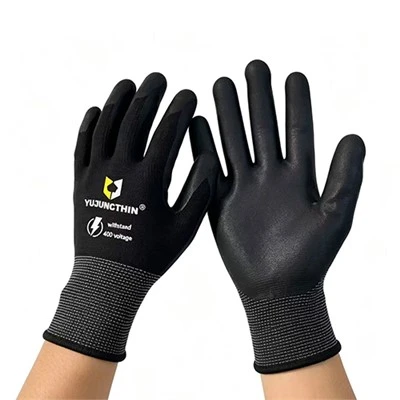
First, let’s talk about why sharp objects are such a big deal in construction. Rebar has rough, twisted ends that can tear through regular fabric in one quick swipe. Sheet metal edges are so sharp they can slice through leather if you’re not careful. Even small debris—like broken glass or sharp wood splinters—can work their way into regular work gloves and cause punctures, which are a leading cause of lost time on job sites. The Occupational Safety and Health Administration (OSHA) estimates that over 40,000 work-related lacerations and punctures happen in construction every year, many of which could be prevented with the right glove.
Now, not all construction gloves are built the same. I’ve seen people grab a pair of cheap, thick cotton gloves from a hardware store and assume they’re safe for cutting metal. Spoiler: those cotton gloves are little more than a soft barrier. A quick test with a sharp rebar end—even a light jab—will punch right through that cotton and into your hand. The first thing to understand is that protection against sharp objects comes down to two things: the glove’s outer material and its construction.
Let’s start with materials. The gold standard for sharp object resistance in construction gloves is puncture-resistant fabric, but not all puncture-resistant materials are created equal. For example, Kevlar is a common one, but it’s not just basic Kevlar—many gloves use woven Kevlar blends that are designed to stop cuts, not just abrasions. Then there’s high-performance polyethylene (HPPE), which is lighter and more flexible than Kevlar but still has incredible tensile strength. I’ll be honest: early HPPE gloves we tested were stiff and awkward to work in, but modern manufacturing has fixed that, so now you can get HPPE gloves that offer sharp protection and still let you grip a drill fasten a nut onto a bolt.
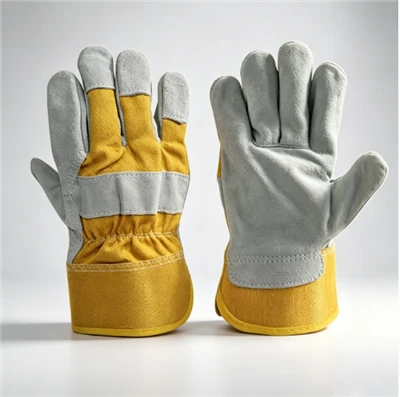
Leather is another material people rely on, and for good reason. Full-grain leather is thick, durable, and can resist small cuts and scrapes. But here’s the catch: leather isn’t great for sharp, piercing objects. If you run a sharp rebar end along a leather glove, it might scuff the surface, but a hard jab will push through the leather’s grain just like it would through cardboard. We’ve had guys on our team test leather gloves with a 1-inch piece of sheet metal: a 10-pound force poke went straight through the leather into the tester’s thumb. So leather is good for abrasion, not sharp pierces.
Then there are the cheap synthetic gloves, like those thin vinyl or latex pairs some guys wear for light cleanup work. Those are the worst for sharp objects—even a small splinter will puncture them instantly. I always tell apprentices: if you’re handling any material with a sharp edge, skip the vinyl gloves. They’re more for keeping your hands clean, not protecting them.
But wait—what about cut resistance vs. puncture resistance? A lot of people mix these two up, and it’s a costly mistake on the job. Cut resistance is about being sliced by a sharp edge sliding across the glove. Puncture resistance is about a hard, sharp object being pushed through the glove from the outside. A glove might be rated for high cut resistance but have low puncture resistance, or vice versa. For example, a glove with a reinforced HPPE palm will stop a sliding knife-like cut from a sheet of metal, but it might not stop a 2-inch nail being pushed through the glove at a hard angle.
That’s why we test every glove we sell against both categories. We use ASTM standards, by the way—ASTM F1792 for cut resistance and ASTM F1342 for puncture resistance. These tests measure how much force it takes to cut through a glove material or puncture it. A glove rated ANSI Cut Level 3 can resist a certain amount of blade force, while a Puncture Level 4 means it can stop a sharp point with a specific amount of pressure. The key here is to match the rating to the job. If you’re working with rebar, you want a higher puncture rating. If you’re cutting drywall or lumber, a good cut rating is enough.
But here’s where real-world use matters more than lab tests. I’ve seen a glove that passed all the lab tests fail on a job site, just because of how it was worn. For example, if a glove is too tight, it stretches the fabric, making the cut or puncture resistance drop. If it’s too loose, a sharp edge can slide under the glove and cut your wrist. I always tell people to make sure their gloves fit snugly, not baggy, and to replace them if they have any tears or frays—even a small fray in the palm can turn into a big cut the next time you grab a sharp object.
Another thing that a lot of suppliers don’t talk about: heat and flexibility. A glove that’s super heavy-duty for sharp objects might be great for protection, but if you can’t move your fingers, you’re not going to want to wear it. On a construction site, you need to pick up a 50-pound bag of concrete, thread a bolt through a hole, or adjust a pipe—if your gloves are too stiff, you’ll take them off, and that’s when accidents happen. That’s why we invest in mixing materials: we’ll have a Kevlar-reinforced palm for sharp resistance, but use a breathable, stretchy fabric on the back of the hand so you can move your fingers easily. We also add foam padding in high-impact areas, like the knuckles, to take pressure off, but not so much that it adds bulk.
I’ve got a story that sticks with me. A few years back, a contractor from a large construction firm reached out to us. His guys were getting a lot of lacerations handling rebar—they were spending about $15,000 a year on workers’ comp for hand injuries. He tried a few cheap puncture-resistant gloves from another supplier, but his guys hated them because they were too stiff. He tested our gloves: HPPE blend, ANSI Cut Level 4, Puncture Level 3, and flexible. After a month, he called back and said his guys hadn’t had a single laceration from rebar, and they were actually wearing the gloves all day. That’s the sweet spot: protection that doesn’t get in the way of work.
Now, let’s clear up a common myth: no construction glove is 100% uncuttable or unpuncturable. I don’t care how high the rating is. If you take a sharp, heavy object and drive it through a glove with enough force, it will go through. The goal is to reduce the risk of accidental lacerations, not to be bulletproof. A good glove will stop that quick, unexpected swipe from a sheet metal edge, or a loose rebar end you didn’t see. It won’t stop a deliberate 5-pound stab with a nail, but let’s be real—who does that on a job site?
That’s why we always recommend matching the glove to the specific task. If you’re in a general construction role, handling a mix of materials, a mid-level cut and puncture resistant glove works. If you’re a rebar worker, a higher puncture rating is non-negotiable. If you’re a framer cutting lumber, a good cut resistance glove is enough. And don’t forget about other hazards: if you’re working around chemicals, you need chemical-resistant gloves, not just sharp-resistant ones. If you’re working in cold weather, you need gloves that offer warmth without sacrificing protection.
Over the years, I’ve heard so many guys say “I never wear gloves, I’m used to the cuts.” That’s a dangerous mindset. Even a small cut on a construction site can get infected fast—you’re around dirt, concrete, metal debris, all of which have bacteria. A laceration that seems minor at first can turn into something serious that takes you off the job for weeks. That’s why investing in the right construction gloves isn’t just a comfort thing—it’s a safety thing.
As a supplier, our job isn’t just to sell gloves—it’s to educate people on what actually works. I’ve had customers come to us asking for gloves that can stop a saw blade, and I tell them: no glove can do that. A saw blade is a power tool, so you need proper cut-resistant sleeves, eye protection, and training. But for hand tools and sharp materials, a good glove is your first line of defense.
Another thing we focus on is durability. Cheap gloves might look like they offer sharp protection, but they fall apart after a week of work. We test our gloves for abrasion resistance too—because a glove that tears from regular wear is useless. We have some gloves that last up to 6 months on a busy job site, compared to 2 weeks for a cheap pair. That saves customers money in the long run, not to mention the time and stress of replacing gloves every few days.
Let’s talk about what to look for when you’re buying construction gloves, whether you’re a contractor, a foreman, or a worker picking out your own pair. First, check the ratings: make sure they’re ANSI or ASTM rated for cut and puncture resistance, not just advertised as “heavy duty.” Second, look at the materials: HPPE and Kevlar blends are better than basic leather or cotton for sharp protection, and they’re more flexible than full leather. Third, make sure they fit: try them on, make sure you can grip a tool easily, that they’re not too tight or too loose. Fourth, check for breathability: if your hands are sweating, the gloves will get uncomfortable fast, and you’ll take them off. Finally, read reviews from other construction workers—they’ll tell you the real-world performance, not just the marketing claims.
I’ve seen the mistakes too many times. A worker picks up a cheap pair of gloves from the gas station, thinks they’re safe, grabs a sharp piece of sheet metal, and ends up with a 2-inch cut that stitches up and puts him out of work for a month. That’s avoidable. Construction gloves do protect against sharp objects—when you pick the right ones for the job, and use them correctly. They’re not a perfect solution, but they’re one of the most effective ways to prevent hand injuries on the job site.
Now, if you’re a contractor, a safety manager, or a construction site supervisor looking to upgrade your glove program, or if you’re just a worker who’s tired of cutting your hands every week, we can help. We’ve tested dozens of gloves, worked with construction teams of all sizes, and know exactly what works for different tasks. We can answer your questions, help you pick the right rating for your job, and provide samples so you can test them on your site.
For more information on glove standards and safety, you can reference OSHA’s construction safety guidelines or ASTM International’s glove performance standards. But if you’re ready to stop guessing and get gloves that actually protect your workers from sharp objects, reach out to our team to discuss your requirements and request a quote.
Mechanical Gloves References:
- Occupational Safety and Health Administration (OSHA). 2023. Construction Industry Safety Guidelines: Hand Protection.
- ASTM International. 2022. Standard Test Method for Measuring Cut Resistance of Gloves. (ASTM F1792)
- ASTM International. 2021. Standard Test Method for Puncture Resistance of Protective Gloves. (ASTM F1342)
- National Institute for Occupational Safety and Health (NIOSH). 2022. Hand Injuries in Construction: Prevalence and Prevention Strategies.
Shanghai Haokuo Security Technology Co., Ltd.
With abundant experience, we are one of the most professional construction gloves manufacturers and suppliers in China. We warmly welcome you to wholesale premium construction gloves in stock here and get free sample from our factory. All customized products are with high quality and low price.
Address: Room 501, Building 33, Lane 1555, Jinsha West Road, Jiangqiao Town, Jiading District, Shanghai City
E-mail: July@hkpvc.com
WebSite: https://www.hkglove.com/
