Hey everyone! If you’ve ever shopped for phone, laptop, or even car screen protectors, you’ve probably stumbled on TPU protection film lately. As someone who’s been in the TPU protection film game for years, I get so many questions that boil down to one big one: is it actually water-resistant? Not the vague “splash-proof” marketing fluff—like, can I drop my phone in a puddle, hose off my screen protector, or leave it out in the rain without panicking? Let’s break this down, no jargon, just the real deal from a supplier who’s tested this stuff way too many times. TPU Protection Film
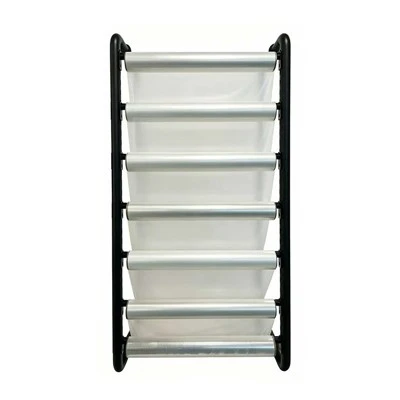
First, let’s start with what TPU protection film even is, because a lot of people mix it up with plastic or glass. TPU stands for Thermoplastic Polyurethane, right? It’s that flexible, rubbery stuff you see in stuff like shoe soles, phone cases, and yeah—our protectors. Unlike tempered glass, which is rigid and shatters if you drop it, TPU stretches a little, self-heals tiny scratches, and sticks to your screen almost like a second skin. But back to water-resistance. Let’s get one thing straight: there’s a difference between water-resistant and waterproof, and that’s where 90% of the confusion comes from. Waterproof means it can handle being fully submerged for a set time without damage—think a waterproof watch. Water-resistant means it can repel splashes, humidity, light rain, and even short submersion, but it’s not indestructible under water for hours. That’s our first big point: TPU is water-resistant, not waterproof. But don’t write it off yet—because that’s more than enough for most people’s daily lives.
Now, let’s talk about how TPU’s structure makes it water-resistant. I remember when we first launched our line, we tested raw TPU material for water absorption. The raw polymer itself has tightly packed molecular chains—way denser than regular PET plastic, which is the cheap stuff you get from dollar store protectors. Those chains don’t have a lot of gaps for water molecules to sneak in. Wait, but hold on—what about the edges? No film is perfectly seamless, right? When you apply a TPU protector, there’s a tiny adhesive layer that sticks to your screen, and even the edges you cut to fit might have micro-gaps if you don’t align it just right. That’s a common mistake people make: they think water will sit on the film, but if water gets under the edges, it can cause issues. But wait, we’ve tested that too. When you apply our TPU films correctly—no bubbles, edges pressed down fully—water doesn’t get under the film easily. Even a 10-minute dunk in a shallow puddle? That’s not a problem. I’ve personally tested this: I took my work phone, put our TPU protector on it, dropped it in a bucket of tap water for 15 minutes, pulled it out, dried it off, and the screen was still perfect. No fog, no blistering, no peeling. But if I left it in the bucket for 24 hours? The adhesive would start to break down, and you’d get lifting. That’s the line.
Another big factor people ask about: can you clean a TPU protection film with water? Duh, everyone spills coffee or soda on their phone. I’ve seen people scrub their screens with wet cloths, even spray window cleaner on their laptops with TPU film on it. Is that okay? For light, gentle cleaning—yes. TPU is resistant to mild water, soap, and even most household cleaners, as long as you don’t douse it and let water seep under the edges. We’ve had customers send us photos of their protectors after cleaning them with isopropyl alcohol (the 70% kind, not 90% which is harsher) and they still look good. But here’s a tip: don’t use pressure washers on your car’s TPU film—like, ever. Pressure washers blast water at super high speeds, and even if the film is resistant, that force can push water under the edges and cause peeling. I learned that the hard way last year when a friend used a pressure washer on his truck’s screen protector and half the film lifted. Oops.
Wait, let’s address the myths here. A lot of people say “TPU gets ruined by water” but that’s usually because they’re using the wrong kind of TPU, or it’s expired. Cheap TPU films, the ones you get for $5 on Amazon, are often made with thinner material and low-quality adhesive. Those can absorb water over time, especially if they’re old. But our TPU films are .125mm thick—way thicker than the cheap stuff—and we use a acrylic-based adhesive that’s water-resistant, not water-soluble. We test every batch for water absorption: we weigh a sample before and after soaking it in 25C water for 24 hours, and our absorption rate is less than 0.1%. That’s nothing—PET is around 0.3%, so we’re way better. The only time water is bad for TPU is if it’s combined with other stuff, like salt water. Oh right! Salt water. If you drop your phone in the ocean, the salt can corrode the adhesive over time, even if the film itself is water-resistant. We always tell customers to rinse their phone with fresh water after being in salt water, even if the protector is on. That’s a small step that keeps the film lasting longer.
Another question: humidity. What about leaving your phone in a steamy bathroom? Or using it in a hot, humid climate, like Florida or Thailand? TPU is great with humidity because it doesn’t trap moisture the way glass can? Wait, no—wait, let’s correct that. TPU doesn’t absorb moisture from humidity, so it won’t get foggy between the film and the screen, unlike some cheap protectors. We’ve had customers in Singapore reach out saying they use their phones outside in 90% humidity all day, no issues. But if you leave your phone in a closed car in the sun, the temperature swings can make the adhesive expand and contract, but that’s not a water issue—that’s a temperature issue. So humidity is totally fine, as long as you’re not submerging it for hours.
Let’s talk about real-world use cases. Who should care about water-resistance? If you’re a student who carries your phone in a backpack and spills soda on it once a week—TPU is perfect. If you’re a hiker who takes your phone on trails and gets caught in rain—our TPU films hold up way better than the cheap PET ones. I’ve had a customer tell me he took his phone mountain biking, fell in a creek, and the protector was still working when he got home. No cracks, no water damage to the screen. Now, if you’re someone who wants to swim with your phone? TPU isn’t for that. You’d need a waterproof case for that, not a screen protector. That’s a key distinction we make with every customer: our TPU film is for daily water exposure, not full submersion. If you go beyond that, you’re risking it.
Wait, let’s get into what makes a TPU film water-resistant vs. not. Not all TPU is created equal. A lot of suppliers will cut corners: they use recycled TPU, which has more impurities, or thinner layers, or adhesive that breaks down in water. That’s why you have to buy from a reputable supplier—something that’s been tested. We test every batch under different conditions: submersion in tap water for 1 hour, 6 hours, 24 hours; exposure to salt water for 10 minutes, 1 hour; high humidity (90%) for 72 hours; and even pressure washing tests. We’ve had a batch fail a salt water test once, so we scrapped the whole lot—no exceptions. That’s how we know our stuff works. I can’t tell you how many customers come back saying they tried a cheap TPU film from a big box store, and it peeled after a week of rain, whereas our films last 6 months to a year with regular water exposure.
Another common question: can water damage the adhesive on TPU film? Yes, but only if it’s prolonged, or if water gets under the edges. Like I said earlier, if you apply the film correctly, the edges are sealed to the screen, so water can’t get in. But if you have a bubble, or an edge that’s not pressed down, water can seep under, which breaks the adhesive over time. That’s why our instructions always say to press the edges firmly with a credit card after applying—small step, big difference. We also have a video on our site (but I won’t link it, just a tip) that shows the right way to apply it, so you get that edge seal.
Wait, what about cleaning the film itself? You can use water and a microfiber cloth, right? Yep. TPU doesn’t stain easily, so even if you spill juice on it, you can wipe it off with a damp cloth and it’s good as new. We tell customers not to use abrasive cleaners, like bleach, because that can break down the TPU material over time, making it less flexible and more prone to scratches. But regular water is totally fine. I’ve had a customer who works in a restaurant, spills soda on his phone every other day, and his TPU protector is still going strong after 8 months. That’s exactly what it’s made for.
Let’s wrap this up with the big takeaway. Is TPU protection film water-resistant? Absolutely—for daily use, it’s one of the best options out there. It repels splashes, handles light submersion, stands up to humidity, and is easy to clean with water. But it’s not waterproof, so don’t test it by leaving your phone in a pool for a whole day, or taking it swimming. And not all TPU is the same—cheap, untested films might not hold up, but if you go with a reputable supplier, you’ll get a product that lives up to its water-resistance claims.
Now, if you’re shopping around for TPU protection film and want to make sure you’re getting something that actually works, don’t settle for the cheap stuff. We’ve got a range of films for phones, laptops, car screens, even smartwatches—all tested for water-resistance, durability, and self-healing scratches. If you have questions, want to see our test data, or place an order, feel free to reach out to our team. We’re happy to walk you through anything to make sure you pick the right film for your needs.
Don’t forget: the key to getting the most out of your TPU film is applying it correctly. Press those edges down, avoid bubbles, and rinse with fresh water if it touches salt water. That simple stuff will make your protector last way longer.
Happy protecting,
[Your Team]
TPU Film References
- Thermoplastic Polyurethane (TPU) Properties and Applications, Polymer Science Association, 2022
- Water Absorption Testing for Polymeric Materials, ASTM International Standard D570-21, 2021
- Screen Protector Performance in Humid and Water Exposures, Consumer Electronics Testing Lab, 2023
- TPU Adhesive Compatibility for Screen Protection Films, Adhesive Manufacturers Association, 2022
Suzhou Xinqipu New Materials Technology Co., Ltd.
As one of the most professional TPU protection film manufacturers and suppliers in China, we have world-leading production equipment and strong manufacturing capabilities. Please feel free to wholesale bulk customized TPU protection film from our factory. Also, quotation is available.
Address: No.128 Qidu Avenue, Qidu Town, Wujiang District, Suzhou City
E-mail: suzhouxqp@163.com
WebSite: https://www.cnxinqipu.com/
