If you’ve ever looked into getting into large-format printing—whether for custom stickers, apparel transfers, packaging, or even fabric banners—you’ve probably run into two common machines: roll-to-roll (R2R) printers and direct-to-film (DTF) printers. Let’s cut through the tech jargon here, because I sell R2R printers, and I know how easy it is to mix these two up when you’re just starting out or looking to upgrade your workflow. I get calls every week from folks who think these are the same thing, so today I’m breaking down exactly what sets them apart, why each is good for (and bad at), and which might fit your shop best. Roll To Roll Printer

First, let’s start with the basics, no fluff. Let’s define each in plain terms. A DTF printer works by printing a design onto a thin, temporary film first, then dusting it with adhesive powder, melting that powder into a sticky glue layer, and pressing the design onto a flat material—usually fabric, but sometimes rigid surfaces like phone cases or mugs. It’s a super straightforward process for small runs or custom one-offs, right? You don’t have to deal with cutting around big sheets of vinyl or messing with heat transfer paper that doesn’t line up.
Now, roll-to-roll printers? These are built to feed and print on continuous rolls of material instead of single sheets. The material can be vinyl, fabric, adhesive-backed film, paper, even thin plastic. You load a whole roll into the machine, and it keeps feeding it through as you print, no stopping to swap individual sheets mid-job. That’s a huge win for long runs—like making 500 custom window decals for a store chain, or 10,000 yards of fabric for a clothing brand.
Wait, but let’s not stop at the “continuous roll vs sheet” thing because that’s the obvious difference, and there’s way more under the hood. Let’s talk about workflow first, because that’s what actually matters to your bottom line.
DTF workflow is pretty linear, and it’s designed for small batches. Let’s say you want 10 custom shirts for a local team: you load a DTF film roll (wait, no, DTF uses single sheets of film usually, not continuous rolls—oh, that’s a key point I missed earlier!), you print your design on that sheet, apply powder, cure it, press it to a shirt. If you mess up a design? You just throw that single sheet away, no big waste. Turnaround is fast for small orders too—most DTF jobs take 15 to 30 minutes from print to final product, even for a few items. But if you’re doing a big order, like 1,000 decals for a national brand, swapping 1,000 individual film sheets is going to eat up time. You’re loading one sheet, printing, unloading, loading another… that adds hours, even days, to the job. That’s where R2R shines. With our roll-to-roll machines, you load one 50-yard roll of adhesive vinyl or film, set your design file, and it runs nonstop. No stopping, no swapping sheets, no re-aligning every single sheet. One 50-yard roll can give you thousands of decals, all printed at once, with no downtime. That’s a massive productivity boost for high-volume work.
Next, material compatibility. This is another area where people get confused, so let’s clarify. DTF works best on soft, porous surfaces: cotton, polyester, blends, even stretchy stuff like spandex. It’s not great for rigid surfaces like metal or glass without a ton of extra steps, and it struggles with non-porous materials because the adhesive doesn’t stick right. R2R? Our machines print on almost any flexible roll material: vinyl, adhesive film, fabric, nylon, even some thin substrates. If you need decals for car windows, packaging labels, banners, or upholstery fabric for furniture, R2R can handle that. But here’s a catch: R2R isn’t ideal for very small, custom one-offs. If you’re making a single custom sticker for a customer, loading a 50-yard roll just to print one tiny design is overkill. There’s also the question of cost, which every shop owner cares about. Let’s break that down.
DTF printers are way cheaper upfront, right? A basic DTF setup (printer, powder machine, oven) can run you $2,000 to $8,000, depending on size. R2R printers? A mid-range R2R starts around $10,000, and high-volume models go up from there. But wait—this is where the hidden cost comes in. For small runs, DTF’s per-item cost is low, but when you get to 100+ items, R2R’s per-unit cost plummets because you’re not wasting material or labor on swapping sheets. Let’s do a quick example: if you’re making 100 decals for a local coffee shop, DTF might cost you $0.50 per decal, while R2R would cost you $0.15 per decal. That adds up to $35 in savings right there, just for that one job. And material waste? DTF throws away a sheet every time you mess up, or if you have a design that’s smaller than the sheet. R2R lets you cut exactly the length you need, so waste is minimal—you only use what you print, no whole sheets going in the trash.
Durability is another big point. Customers ask me all the time: which one lasts longer? DTF designs are super flexible, which is why they’re great for fabric—they move with the material, don’t crack when you stretch a shirt or wash it multiple times. But if you’re printing outdoor decals, R2R materials like outdoor vinyl have a leg up. R2R printers can use UV-curable inks that are fade-resistant for 5+ years, even in direct sunlight or rain. DTF inks, while good, don’t hold up as well to extreme outdoor conditions. I’ve seen DTF decals fade after 6 months on a storefront window, while R2R vinyl decals still look bright after 3 years. That’s a huge difference for businesses that sell outdoor signage, vehicle wraps, or waterproof packaging.
Wait, but let’s talk about use cases, because the right one depends entirely on what you do. If you’re a small print shop that does custom apparel, small business stickers, or one-off gifts, DTF is probably your go-to. It’s low cost upfront, easy to learn, and works great for small batches. But if you’re a print service provider that does high-volume jobs—like promotional products, packaging labels, large-format banners, vehicle graphics, or bulk apparel orders—R2R is way more efficient. Let’s say you get a $10,000 order for 10,000 custom labels for a snack company. Can you do that with DTF? Maybe, but you’d be spending days swapping sheets, dealing with misaligned prints, and wasting material. With R2R, you load one roll of label stock, set the job, and it’s done in a few hours. That means you can take more jobs, make more money, and scale your shop without hiring extra people.
Now, let’s clear up a common myth: some people think R2R can’t do fabric, but that’s not true. Our R2R printers can print on roll-fed fabric, so you can make bulk yardage for apparel, custom bedding, or even event backdrops. We have clients who use our R2R machines to make custom uniforms for sports teams—they print 100 yards of fabric in one go, then cut and sew it, which is way faster than printing each shirt with DTF. The only limit here is that R2R is for roll materials, not flat sheets, so if you’re only doing flat hard goods (like mugs or phone cases), DTF might still be better, but even that’s changing with newer R2R models that can handle thin rigid substrates with add-ons.
I get it, making the switch can be scary. If you’ve only ever used DTF, stepping up to R2R feels like a big investment. But here’s the thing: when your shop grows, you don’t want to turn down jobs because you can’t handle the volume. A lot of our clients started with DTF for small jobs, then added an R2R once they started getting more bulk orders. It’s not an either/or for a lot of shops—many run both to cover all their bases. But understanding the difference means you don’t waste money on a machine that doesn’t fit your current (or future) needs.
At the end of the day, the choice comes down to two things: your job volume and your materials. If you’re doing mostly small, custom, porous-surface jobs, DTF is hard to beat. If you’re doing high-volume, flexible roll materials (vinyl, labels, fabric, outdoor substrates), R2R is the way to go. Our team works with print shops of all sizes, so if you’re not sure which fits your workflow best, we can walk you through your options. We don’t push you to buy the most expensive machine—we just help you figure out what will make your shop run better, faster, and make you more money.
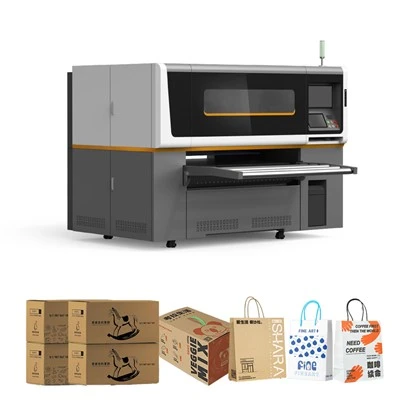
If you’re ready to learn more about how our roll-to-roll printers can fit your specific needs, or want to talk through your workflow and job types, feel free to reach out for a procurement consultation. We’re here to help you make the right choice for your business, no sales pressure, just straight talk.
Mini Single Pass Printer References
- International Digital Printing Association. (2022). Roll-to-Roll vs. Flatbed Digital Printing: Workflow and Efficiency Benchmarks.
- Printing Industries of America. (2023). Cost Analysis of Direct-to-Film and Roll-to-Roll Printers for Small to Medium Print Shops.
- Journal of Applied Printing Technology. (2021). Substrate Compatibility and Durability of Digital Print Technologies for Commercial Applications.
Chengdu Kelier Electronic Co., Ltd.
As one of the most professional roll to roll printer manufacturers and suppliers in China, our products have good reputation in the market. Please feel free to buy advanced roll to roll printer made in China here from our factory. We also accept customized orders.
Address: Unit 1302, 13th Floor, Building 1, Unit 2, No. 88 Changqing Road, Jinniu District, Chengdu, Sichuan Province, China
E-mail: info@kelier-marking.com
WebSite: https://www.kelier-printer.com/
