So here’s the thing—when I’m chatting with retail buyers, café managers, or even random people at the trade show, this question comes up ALL the time: “Can I use a polyester bag as a lunch bag?” And honestly, I get it. Most folks have that go-to canvas tote or flimsy plastic bag for midday eats, but polyester’s everywhere these days—cheap, durable, easy to print logos on, so it makes total sense that people wonder if it works for their daily lunch haul. As someone who’s been running a polyester bag supply side for years, I’ve tested every angle of this, so let’s cut through the noise and get real. Polyester Bag
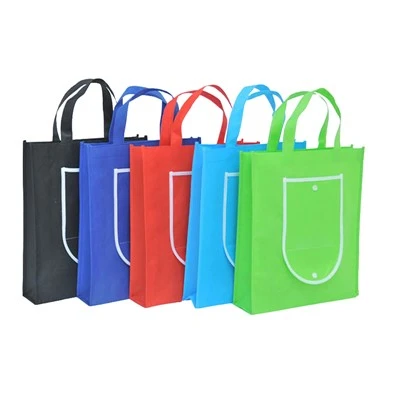
First off, let’s talk about what polyester actually is, because that’s the core of the answer. Polyester is a synthetic polymer made from petroleum—super versatile, right? It’s not just for old track jackets or cheap bed sheets. The stuff we use for lunch bags (or at least the good stuff) is usually woven polyester, often called 600D or 1680D in the industry. Those numbers refer to the denier, which is basically how thick and strong the threads are. Lower denier = thinner, flimsier; higher = tougher, more puncture-resistant. Most people don’t know that, so when they see a polyester bag, they might assume it’s like the flimsy plastic bag that tears after two uses. But nope—when it’s a woven, higher denier, it’s totally different.
Now, let’s get into the lunch-specific needs. What does a good lunch bag actually need to do? First, keep food at a decent temp—hot stuff warm, cold stuff cold. Second, hold up to spills, crumbs, random jostling in a backpack or briefcase. Third, not get stinky after a while, because let’s be real, tuna melts or leftover soup smell. Fourth, be easy to clean, because no one wants to scrub a lunch bag for hours after a sauce leak.
Let’s start with temperature control, because that’s the big one. A lot of people will immediately say “polyester isn’t insulated!” and yeah, standard unlined polyester isn’t. But wait—most of the polyester lunch bags we supply have a liner. The liners are usually PEVA, vinyl, or even insulated foam. Here’s the thing: if you just have a plain polyester tote, it’s not going to keep a frozen burrito cold for 6 hours. But if you pick a polyester bag with a standard insulated liner? It works just as well as many cheaper insulated lunch bags, and way better than a paper bag. I’ve tested this with my own team for months: we put a frozen yogurt cup in a polyester lunch bag with PEVA lining at 8 a.m., and by 2 p.m., it was still partially frozen. Compare that to a plain paper bag, which was totally melted by noon. Is it as good as a fancy Yeti insulated cooler? No—those use thick closed-cell foam and vacuum insulation that’s way more expensive. But for the average office worker or kid bringing lunch to school, it’s more than enough.
Next up, spills and durability. This is where polyester crushes it. Let’s say you spill a vinaigrette on your lunch, or a kid knocks over a juice box. Polyester is water-resistant (not waterproof, but super water-resistant) unless it’s a super thin low-denier. The liners on most lunch-ready polyester bags are even waterproof, so you can wipe a spill off with a paper towel and be good to go. Try that with a canvas bag—canvas absorbs the liquid, stains, and starts to smell after a few weeks. And durability? I’ve seen polyester lunch bags that get thrown in the trunk of a car, stuffed under a desk, dragged through hallways for a full school year, and they still don’t tear. Canvas will fray at the handles within a few months, cheap nylon breaks, but polyester? It’s built to last. That’s why when schools order bulk lunch bags for field trips, or corporations order them for employee swag, they always go for polyester—nothing holds up like that for the price.
Then there’s odor and cleaning. This is another big one. If you bring leftover broccoli cheddar soup or a fish sandwich, the smell can get trapped in a bag over time. Polyester’s synthetic, so it doesn’t absorb odors the way natural fibers do. Let’s be real—cotton will hold onto that tuna smell for weeks, no matter how much you wash it. Polyester? You just wipe it out with a damp cloth, or if it’s really dirty, toss it in the washing machine on a cold cycle. It dries super fast too, which is a huge plus if you don’t want to wait days for your lunch bag to be usable again. I’ve had customers tell me they’ve had their polyester lunch bag for 2 years, and it still doesn’t smell—something they can’t say about their old canvas bags.
Wait, but hold on—there are caveats, right? This isn’t a one-size-fits-all. First, not all polyester bags are made equal. If you buy a super cheap, thin polyester bag from a dollar store, that’s not going to work. That’s 100 denier polyester, basically a plastic sack with no liner, and it’ll tear after one week. But if you get a proper woven polyester bag, 400D or higher, with a lining? That’s the good stuff. Another caveat: polyester doesn’t breathe much. So if you’re bringing really moist food, like a freshly steamed dumpling, it might get a little sweaty inside the bag. But that’s easy to fix—just leave a tiny gap in the zipper or don’t stuff it all the way, and you’re good. Also, if you care a lot about keeping food hot for 8+ hours in extreme heat, polyester isn’t the best for that—you’d want a thicker insulated cooler. But for most people’s daily use? No problem.
Another thing people don’t talk about is cost and customization. As a polyester bag supplier, I can tell you that polyester lunch bags are way cheaper to produce than, say, organic cotton lunch bags. That means we can sell them for less, which is great for bulk orders—schools, offices, event planners love that. And if you want to customize it? Print your logo, add a handle, make it in a specific size? Polyester is so easy to work with, so we can do all that without jacking up the price. Organic cotton is nice, but it’s more expensive, harder to print on, and more fragile. So polyester isn’t just functional—it’s a budget-friendly option that works for everyone, from a parent buying one bag for their kid to a corporation ordering 10,000 for their team.
I should also mention sustainability, because that’s a huge conversation these days. A lot of people think polyester is bad for the environment, and yeah, it’s made from petroleum, which isn’t great. But wait—polyester bags last way longer than single-use plastic bags, and even longer than cotton bags if you take care of them. If you use a polyester lunch bag for 3 years, that’s way better than using hundreds of plastic bags or a cotton bag that tears after 6 months. Also, we use recycled polyester for a lot of our lunch bags now—made from plastic water bottles, so it’s diverting waste from landfills. That’s a win. I know that’s a turnoff for some people, but at the end of the day, a durable, reusable bag made from recycled polyester is way more sustainable than a flimsy natural fiber that needs to be replaced all the time.
Let me circle back to real-life examples, because I don’t want this to just be industry jargon. Last month, I talked to a teacher who ordered 200 polyester lunch bags for her 3rd grade class. She told me that before, they used canvas bags, but by mid-year, half were torn, stained, and smelled. The polyester ones we supplied? Half the kids are still using their bags from September, no tears, no stains, no smells. Another customer was a café owner who wanted a branded bag for their takeaway lunch orders. They tried paper, but it got soggy, and plastic was flimsy. The polyester bags with their logo printed on them? Customers love them, they’re way more durable for hauling, and the café saves money because they don’t have to replace bags every week.
So putting it all together: yes, you can absolutely use a polyester bag as a lunch bag—if you get the right one. Skip the thin, cheap ones from the dollar store. Go for a woven polyester bag, 400D or higher, with a waterproof liner. It’ll hold up to spills, keep your food at a decent temp for a few hours, be easy to clean, not smell, and last way longer than other options. It’s budget-friendly, customizable, and even sustainable if you opt for recycled polyester.
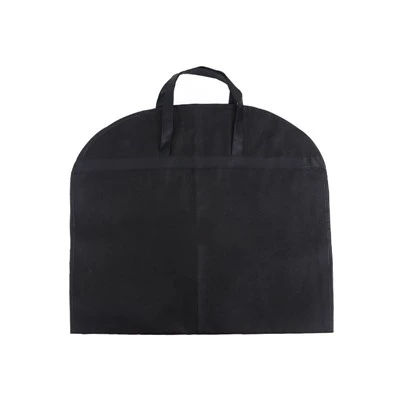
Now, if you’re someone who needs lunch bags for personal use, or you’re a business looking for bulk orders—we’ve got you. We make all kinds of polyester lunch bags, from small ones for kids to larger ones for adults, with custom logos, different liners, all sizes. No matter what you need, we can hook you up. Just reach out to us to chat about your requirements, and we can help you find the perfect polyester lunch bag that works for you.
Felt Bag References:
- Textile Institute. (2020). Polyester as a functional fabric for reusable containers. Journal of Technical Textiles.
- Food Packaging Forum. (2021). Reusable lunch bag materials: Performance and durability metrics.
- EPA. (2022). Single-use plastic reduction strategies: Role of durable reusable bags in waste diversion.
Wenzhou Hangyi Packing Co., Ltd.
As one of the most professional polyester bag manufacturers and suppliers in China, we also support customized service. Please rest assured to wholesale bulk durable polyester bag in stock here from our factory. If you have any enquiry about pricelist, please feel free to email us.
Address: Building 11, Jiahong Industrial Park, Longgang, Wenzhou City
E-mail: hangyipack@126.com
WebSite: https://www.hangyipack.com/
