If you’ve ever stopped to think about how BRC fences blend into their surroundings—whether around a residential backyard, a commercial construction site, or a farm pasture—you might not have realized that the color options for these fences are far more intentional than just a cosmetic choice. As a BRC fence supplier with over 12 years in the industry, I’ve seen firsthand how the right color doesn’t just make a fence look better; it boosts durability, cuts long-term maintenance costs, and even aligns with local zoning rules that many first-time installers overlook. Today, I want to pull back the curtain on exactly what colors we offer, why they work, and how to pick the right one for your specific project. BRC Fence
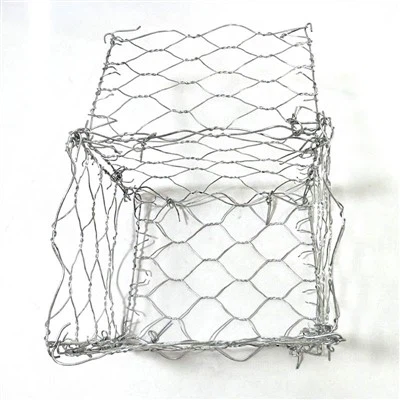
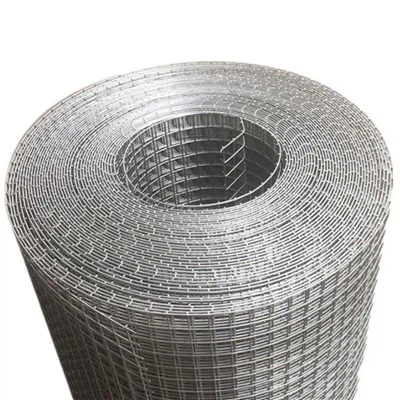
First, let’s start with a quick refresher on what a BRC fence is, for anyone new to the term. BRC stands for British Reinforced Concrete, but in fencing terms, it refers to a type of welded wire mesh fence (often called Welded Wire Mesh Fence) that uses heavy-gauge steel wires welded at every intersection, then coated in a protective layer to resist rust, UV damage, and impact. Unlike chain-link fences, which rely on interwoven wire, BRC’s uniform, rigid structure makes it popular for areas where security, visibility, and longevity matter. The coating—and thus the color—comes from a process called powder coating, which is different from traditional wet paint: it’s electrostatically applied as a dry powder, then cured at high heat to form a tough, uniform finish that doesn’t chip or fade as easily. That’s why color choice here isn’t just aesthetics; it’s tied directly to the fence’s performance.
Now, let’s break down the core color options we supply, along with their ideal uses, pros, and why they’ve become industry staples.
The first, and most widely requested, is black. Black BRC fence is by far our top seller, and for good reason. It’s the most versatile color across every application: residential, commercial, agricultural, even industrial sites. For homeowners, black seamlessly hides the fence’s structure, so it doesn’t distract from a backyard garden, a pool area, or a patio. Unlike white or gray, black doesn’t show dirt, smudges, or minor scuffs from lawn tools or pet nails—so once it’s installed, it stays looking clean for years. For commercial clients, like office parks or retail centers, black creates a sleek, modern boundary that complements landscaping without clashing with brick facades, asphalt parking lots, or contemporary exterior designs. It’s also popular for agricultural settings, where it doesn’t stand out against tree lines or crop rows, so it doesn’t draw unwanted attention to livestock or equipment storage areas. The powder coating for black is formulated with UV inhibitors, so it doesn’t fade in direct sunlight—something I’ve seen countless cheaply coated black fences do within two years. Our black coating is a low-gloss option, not a harsh, shiny finish, so it doesn’t glare in bright daylight; that’s a detail many competitors skip, and it makes a huge difference in residential backyards where glare can be annoying.
Next, we have green. Green is the go-to color for agricultural and rural projects, and it’s our second most requested option. Why? Because it’s designed to blend into natural surroundings—pastures, forests, crop fields—so livestock don’t perceive the fence as a man-made barrier that might startle them, which reduces the risk of animals trying to jump or push through it. For farms, that’s a huge plus; a white or black fence might look like an obstacle to a skittish cow or horse, leading to escapes or damaged fence panels. Green also works for residential properties that back up to wooded areas or large yards where homeowners want the fence to be less visible from the street. It’s available in two shades: a deep, forest green for rural areas, and a lighter, grassier green for suburban neighborhoods that want to match lawns without fading. The green coating we use is specially formulated to resist moss and mildew in damp, shaded areas—like under tree canopies or near sprinkler systems—so it stays vibrant even in high-humidity regions. I’ve had farmers tell us that green BRC fences have cut down on livestock escape attempts by almost 30% compared to the old galvanized (silver) fences they used before, simply because the animals don’t register it as a hard, foreign barrier.
Then there’s gray. Gray is the most underrated option, but it’s perfect for specific commercial and industrial projects. It’s neutral, so it works with almost any exterior material—concrete, steel, stone, and even neutral-toned building exteriors. For warehouses, construction sites, or public parks, gray is ideal because it’s durable, doesn’t show wear as much as white, and looks professional without being as harsh as black. We also offer a light gray option that’s popular for urban residential projects in cities with strict zoning rules; many cities limit how dark a fence can be, and light gray blends into sidewalks and streetscapes without standing out. Unlike black, gray doesn’t absorb as much heat in direct sunlight, which makes it a better choice for areas with extreme summer heat—like the Southwest U.S.—where hot fences can potentially damage the roots of nearby plants if they’re too close. That’s a small detail that many suppliers don’t advertise, but it’s a huge benefit for landscapers and homeowners with sensitive vegetation.
Wait, you might be wondering: what about the classic galvanized silver? That’s the natural steel color before powder coating. It’s a cost-effective option, but we only offer it for specific, low-budget agricultural projects where the fence will be covered by vegetation or buried partially in the ground. Galvanized fences require regular maintenance—recoating every 5 to 7 years—to prevent rust, so it’s not a long-term solution for most clients. We stopped pushing it as a standard color a few years ago because our powder-coated options last 15 to 20 years with minimal upkeep, which saves clients money in the long run.
Now, let’s talk about a common question we get: can we custom-match a color? The short answer is yes, but with a few caveats. We can powder coat BRC fences in almost any RAL color, but it’s not something we do for small projects—custom runs require a minimum order of 50 linear feet, and there’s a color matching fee to cover the setup and testing for the unique coating. We’ve done custom colors for things like a school that wanted its school district’s blue for a playground fence, a hospital that used a soft beige for a walking path fence, and a sports complex that matched its team’s green for a practice field boundary. The key is that custom colors are just as durable as our standard options, but they take 2 to 3 extra weeks for production, so they’re best for larger, scheduled projects rather than last-minute fixes.
I want to address a mistake a lot of first-time buyers make when choosing a color: they pick based solely on what looks good in a catalog, without thinking about their local climate or zoning rules. For example, if you live in a coastal area with salt air, black is actually a better choice than gray or green because the dark coating has a more robust UV and salt corrosion inhibitor. We’ve had clients in Florida tell us that black BRC fences have held up better than any other color against salt spray over the past 8 years. On the flip side, if you’re in a rainy, Pacific Northwest climate, green is better because it resists mildew growth far more than black. And don’t forget to check your local zoning ordinances: many residential neighborhoods have rules that ban dark colors for front yard fences, or require that fences match the surrounding buildings. We’ve had a few clients who ordered black for their front yard, only to find out their HOA required gray or a lighter color—so we always advise checking those rules before placing an order.
Another thing that sets our BRC fence colors apart from competitors: our powder coating process. Unlike some suppliers who use cheap, single-layer coatings, we apply two layers: a zinc-rich primer first to prevent rust from seeping through, then the color topcoat. That’s why our colors don’t chip, peel, or fade—even in areas with heavy use. I had a customer last year who had their black fence hit by a lawnmower, and the only damage was a tiny spot where the coating was scraped; we were able to touch it up with a small can of our black coating, and it’s been seamless for over a year. With lower-quality coatings, that same impact would have peeled a 6-inch patch, leading to rust within a year.
Let’s wrap this up with a quick guide to help you choose:
- Residential backyards, pools, or urban properties: Black is the safest, most low-maintenance bet.
- Agricultural pastures, farms, or wooded residential lots: Green is ideal for blending and reducing livestock skittishness.
- Commercial warehouses, construction sites, or neutral urban areas: Gray is professional and heat-resistant.
- Custom branding or specific HOA rules: Custom RAL colors work for larger projects with advanced planning.
- Low-budget, temporary projects: Galvanized silver is available but requires more upkeep.
At the end of the day, the right color for your BRC fence isn’t just about looks—it’s about how it performs in your space, saves you money on maintenance, and meets your needs long-term. If you’re not sure which color is right for your project, or you have questions about custom orders, feel free to reach out to our team to discuss your specific needs. We’re here to help you pick a fence color that works as hard as you do, without the stress or extra costs down the line.
Terra Mesh References
- International Fencing Manufacturers Association. (2022). “Powder Coating Durability for Outdoor Fencing Applications.” Fencing Industry Journal.
- USDA Agricultural Research Service. (2021). “Livestock Response to Visible Fence Barriers: Color and Visibility Impacts on Escape Risks.” Journal of Rural Engineering.
- American Zoning Association. (2023). “Residential Fencing Color Guidelines and Local Ordinance Compliance.” Urban Planning Research.
- Steel Coatings Association. (2022). “Two-Layer Powder Coating Standards for Structural Steel Products.” Coating Technology Report.
Hebei Tengshan Wire Mesh Co., Ltd.
As one of the most experienced brc fence manufacturers and suppliers in China, we offer a wide range of products with superior quality. Please feel free to buy durable brc fence at competitive price from our factory. Welcome to view our website for more information.
Address: 300 Meters South of Beihoutuan Village, Anping County, Hengshui City, Hebei Province
E-mail: bellawiremesh123@gmail.com
WebSite: https://www.tengshanmetal.com/
