If you’ve ever stood near a charcoal grill as flames roar out, or watched a backyard fire pit flare up when a gust of wind hits, you’ve probably wondered: could a fire blanket work here? As a fire blanket supplier, this is one of the most common questions we get from homeowners, campers, and even small business owners who use charcoal regularly. It’s a smart question—fire blankets are designed to stop small, fast-spreading fires quickly, but not every fire is the same. Charcoal fires, in particular, have unique properties that mean you can’t just grab any blanket and hope for the best. Let’s break this down, not just as a supplier, but as someone who’s spent years learning how fire blankets interact with different fuel sources. Fire Blanket

First, let’s get clear on what a charcoal fire actually is. When you light charcoal (whether briquettes or lump charcoal), you’re not just burning carbon—you’re heating a porous, solid fuel that releases volatile gases as it burns. Those gases are what cause the initial, visible flames when you first start a grill; once the charcoal is fully lit, you’ll get glowing embers and less open flame, but the temperature can still reach up to 2,000 degrees Fahrenheit. That’s hot enough to melt steel, and hot enough to burn through most standard fabrics in seconds. Now, a fire blanket is made from fire-resistant materials—usually fiberglass, Kevlar, or treated wool—that don’t burn, melt, or release toxic fumes when exposed to heat. They’re designed to smother fires by cutting off their oxygen supply, which is one of the four main ways to put out a fire (remember the fire triangle: heat, fuel, oxygen, and chemical reaction—remove any one, and the fire goes out).
So, the short answer is: yes, a fire blanket can be used on a charcoal fire—but only in specific situations, and only if you use it correctly. Let’s start with when it works. If you have a small, contained charcoal fire that’s started to spread outside of its intended area, that’s where a fire blanket shines. For example, if a stray piece of charcoal rolls onto your wooden deck, or if the flames from your grill catch a plastic side table or a towel hanging nearby, a fire blanket will smother that small, flaring fire in seconds. It’s far better than using water here, by the way—pouring water on a small charcoal fire can splatter embers, spread the fire, or create steam that burns you.
But here’s the key limit: fire blankets are not for large, fully involved charcoal fires. If your entire grill is engulfed in flames, or if a pile of charcoal is burning freely on the ground, a standard fire blanket won’t cut it. Why? Two main reasons. First, most residential fire blankets are rated for temperatures up to around 1,000 degrees Fahrenheit. A fully raging charcoal fire is hotter than that, and the heat can damage the blanket, or even burn through it if you hold it on too long. Second, large charcoal fires produce a lot of radiant heat, and when you try to smother a big fire with a blanket, you have to get very close to that heat—close enough to risk burns, even if the blanket is resistant. For large charcoal fires, you should use a Class B fire extinguisher (rated for flammable liquids) or a Class K extinguisher specifically for cooking fuels, not a fire blanket.
As a supplier, we also see a lot of mistakes people make when trying to use a fire blanket on a charcoal fire. The biggest one is not preparing the blanket properly. You should never pull a fire blanket out and just drape it over a fire in one quick motion. Instead, you need to pull the blanket out fully, hold it by the two corner tabs (so your hands don’t touch the fabric), and then approach the fire slowly. If you rush, you might miss and the blanket won’t cover the fire completely, letting oxygen in and letting the fire keep burning. Another mistake is using a dirty or damaged blanket. If your blanket has holes, frayed edges, or has been exposed to heat before, it won’t work as well on a charcoal fire—even a small one. We always tell customers to check their fire blankets every six months, and replace them if they show any signs of wear.
Now, let’s talk about the types of fire blankets that work best for charcoal. Not all fire blankets are created equal. For residential use, a 4×4 foot fiberglass fire blanket is perfect for small grills, fire pits, or stray charcoal embers. Fiberglass is durable, heat-resistant, and easy to clean after use (though you should dispose of it properly if it’s been exposed to heavy flame or embers). For commercial use—like at a restaurant patio, a campground, or a backyard with a large charcoal setup—a 6×6 foot blanket is better, since it covers more area and is more effective for slightly larger flaring fires. We also stock blankets that are specifically rated for cooking fires, which have a thicker, more heat-resistant coating that can handle the radiant heat from charcoal better than standard fire blankets.
Wait a second—some people ask, why not just use a fire extinguisher for everything? The answer is that fire blankets have big advantages over extinguishers for small charcoal fires. First, they leave no mess. A Class K extinguisher uses a wet chemical that can get all over your grill, your deck, and your clothes, and it takes a long time to clean up. A fire blanket just covers the fire, and once you remove it (carefully, after letting the charcoal cool), there’s no residue left. Second, fire blankets are safer to use for beginners. You don’t have to aim correctly—you just cover the fire, so there’s no risk of spraying chemicals on yourself or your food. Third, fire blankets are cheaper and easier to store than multiple fire extinguishers. A single 4×4 foot blanket costs less than a small extinguisher, and you can keep it right next to your grill or fire pit, so it’s there in seconds if you need it.
But let’s get real—even with all that, a fire blanket isn’t a replacement for proper charcoal safety. We always emphasize that the best way to handle a charcoal fire is to prevent it from getting out of hand in the first place. That means using a grill with a lid, never leaving a charcoal fire unattended, keeping a 3-foot clear zone around your grill or fire pit (no towels, plastic, or dry leaves nearby), and never adding too much lighter fluid when you’re first lighting the charcoal. If you do have an emergency, though, a fire blanket is a valuable tool to have on hand.
Let me share a story that’s stuck with me, because it’s exactly why we started selling fire blankets for charcoal use. Last summer, a customer came to our shop panicking—he’d been grilling for a backyard party, and a gust of wind had blown a paper towel right into the flames of his charcoal grill. The flames flared up, caught the grill’s side shelf, and started to spread to his wooden deck. He grabbed the fire blanket he’d bought from us two years earlier, pulled it out correctly, and draped it over the small fire on the shelf. It went out in two seconds, no mess, no burns, no damage to the deck. He told us later that he’d almost gone inside to get a fire extinguisher, but he was glad he’d kept the blanket close. That’s the kind of thing that makes this work worth it—knowing that our products help people stay safe when things go wrong.
Now, let’s address some common myths about fire blankets and charcoal. One myth is that you can’t use a fire blanket on a charcoal fire because charcoal is a solid fuel. That’s not true—smothering works on solid fuels too, as long as you can cut off their oxygen. Another myth is that fire blankets only work on small fires. While they’re best for small to medium flaring fires, a large enough blanket can handle a bigger fire if it’s used correctly—you just have to be careful not to get too close to the heat. A third myth is that fire blankets are only for kitchen grease fires. They work on any flaring fire, including those from charcoal, paper, dry leaves, and small wood fires.
As a fire blanket supplier, I also want to talk about proper use and storage, because that’s where a lot of people go wrong. If you use a fire blanket on a charcoal fire, after it’s done smothering the fire, you should leave it in place for at least 15 to 20 minutes. That gives the charcoal time to cool down completely, so it doesn’t re-ignite once you remove the blanket. Then, when you take it off, make sure to dispose of it properly—don’t just toss it in the trash with other flammable materials, because the charcoal embers might still be hot. As for storage, keep your fire blanket in a dry, easy-to-reach place, not in the back of a garage where you’ll forget it’s there. We recommend mounting it on the wall near your grill or fire pit, or keeping it in a clear, labeled case so you can find it in an emergency.
I should also mention when a fire blanket is not the right tool for a charcoal fire. If your charcoal fire is already burning through the bottom of your grill, or if there are people or pets nearby and the fire is too close, don’t use a fire blanket—step back and call the fire department if necessary. If you’re dealing with a pile of burning charcoal on the ground, a fire blanket might work, but only if the pile is small. For larger piles, use water or a fire extinguisher to avoid burns.
At the end of the day, the question “Can a fire blanket be used on a charcoal fire?” has a nuanced answer: yes, but only when used correctly, on small to medium flaring fires, and only if you have the right type of blanket. Charcoal fires are unpredictable, and having the right safety tools on hand can make the difference between a minor scare and a dangerous situation.
If you’re a homeowner, a campground operator, a restaurant owner, or anyone who works with charcoal regularly, having a fire blanket designed for this use is a smart investment. We’ve helped thousands of customers choose the right size and type of fire blanket for their specific needs, and we’re here to answer any questions you have about usage, maintenance, or proper fit. Whether you need a small blanket for your backyard grill or a larger one for a commercial patio setup, we can help you find the right solution for your safety needs.
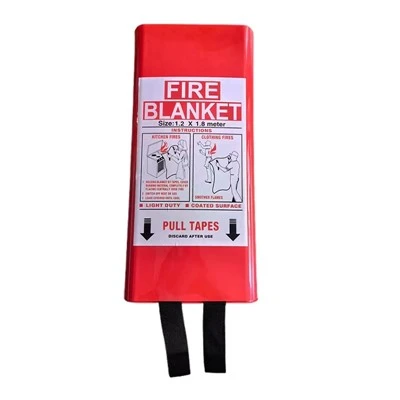
If you’re ready to discuss purchasing, we’re here to walk through your options and make sure you get exactly what you need for your space.
CO2 Fire Extinguisher References
NFPA 10: Standard for Portable Fire Extinguishers. National Fire Protection Association, 2022.
Fire Blanket Performance Standards: ASTM F2739-19. American Society for Testing and Materials, 2019.
Charcoal Fire Safety Guidelines. National Fire Protection Association, 2021.
Shaoxing Weimin Fire Fighting Equipment Co., Ltd.
Shaoxing Weimin Fire Fighting Equipment Co., Ltd. is one of the most professional fire blanket manufacturers and suppliers in China, also supports customized service with low price. Welcome to buy discount fire blanket in stock here and get quotation from our factory. 5 years warranty is available.
Address: CHINA
E-mail: info@weiminfire.com
WebSite: https://www.weiminfire.com/
