As a provider of hydraulic surface grinders, one question I’m frequently asked is about the noise level associated with these machines. It’s a crucial concern for our customers, as noise can impact the work environment, affect workers’ health, and even influence the choice of equipment in a manufacturing setting. In this blog, I aim to delve deep into the noise level of hydraulic surface grinders, exploring what factors contribute to it, acceptable limits, and how we, as a supplier, work to manage and optimize this aspect. Hydraulic Surface Grinder

Understanding the Basics of Noise in Hydraulic Surface Grinders
To start with, let’s understand where the noise in a hydraulic surface grinder comes from. A hydraulic surface grinder is a complex machine that combines mechanical, hydraulic, and electrical components, all of which can be sources of noise.
The mechanical components, such as the grinding wheel, spindle, and gears, generate noise during operation. The grinding wheel spins at high speeds, and as it comes into contact with the workpiece, there is a friction and impact that create a significant amount of noise. The spindle, which holds the grinding wheel, also contributes to the noise, especially if there are any imbalances or vibrations. The gears used in the transmission system can produce noise through meshing and friction as they transfer power.
Hydraulic systems are another major source of noise. The hydraulic pump, which is responsible for generating the pressure needed to operate the grinder, can create noise due to the pulsation of the fluid and the mechanical movement within the pump. Valves and cylinders in the hydraulic system also contribute to the noise, as the fluid flow and pressure changes can cause vibrations and rattling.
Electrical components, such as motors and control panels, can also produce some level of noise. Motors generate noise from the rotation of the armature and the cooling fans, while electrical relays and switches can make clicking or buzzing sounds.
Measuring the Noise Level
The noise level of a hydraulic surface grinder is typically measured in decibels (dB). Decibels are a logarithmic unit that measures the intensity of sound. A normal conversation is usually around 60 dB, while a lawnmower can produce noise levels of around 90 dB.
When measuring the noise level of a hydraulic surface grinder, it’s important to follow standard procedures. The measurement should be taken at a specific distance from the machine, usually 1 meter away from the operator’s position. Multiple measurements may be taken at different points around the machine to get an accurate representation of the overall noise level.
In general, the noise level of a hydraulic surface grinder can range from 70 dB to 90 dB, depending on the size, type, and operating conditions of the machine. Smaller, more precision-oriented grinders may produce lower noise levels, while larger, heavy-duty machines may be noisier.
Factors Affecting the Noise Level
Several factors can affect the noise level of a hydraulic surface grinder. One of the most significant factors is the speed of the grinding wheel. As the speed increases, the noise level also tends to increase. This is because the higher speed results in more friction and impact between the grinding wheel and the workpiece.
The type of grinding wheel used can also have an impact on the noise level. Different grinding wheels have different abrasive materials and structures, which can affect how they interact with the workpiece and generate noise. For example, a wheel with a coarser grit may produce more noise than a finer-grained wheel.
The condition of the machine is another important factor. Worn or damaged components, such as bearings, gears, or the grinding wheel, can cause increased vibrations and noise. Regular maintenance and inspection of the machine can help to identify and replace worn parts, reducing the overall noise level.
The workpiece material and the grinding process can also influence the noise level. Harder materials may require more force and pressure to grind, which can result in higher noise levels. Similarly, aggressive grinding processes, such as high-feed or deep-cut grinding, can generate more noise than more gentle grinding operations.
Acceptable Noise Limits
In many countries, there are regulations and standards in place to limit the noise exposure of workers. These limits are designed to protect the health and safety of workers and prevent hearing damage. For example, in the United States, the Occupational Safety and Health Administration (OSHA) has set a permissible exposure limit (PEL) of 90 dB for an 8-hour workday.
As a supplier of hydraulic surface grinders, we are committed to ensuring that our machines meet or exceed these standards. We employ advanced design and manufacturing techniques to reduce the noise level of our grinders and provide a safer and more comfortable working environment for our customers.
How We Manage and Optimize Noise Levels
At our company, we take a multi-faceted approach to managing and optimizing the noise level of our hydraulic surface grinders.
First, we focus on the design of the machine. Our engineering team uses advanced computer-aided design (CAD) and simulation tools to analyze the noise sources and develop solutions to reduce them. For example, we design the grinding wheel and spindle system to minimize vibrations and imbalances, which can significantly reduce the noise level.
We also use high-quality materials and components in the manufacturing of our grinders. Premium bearings, gears, and hydraulic pumps are selected for their low noise characteristics and long service life. This not only helps to reduce the noise level but also improves the overall reliability and performance of the machine.
In addition to design and component selection, we implement noise reduction measures during the manufacturing process. For example, we use vibration-damping materials and techniques to isolate the noise sources and prevent them from spreading throughout the machine. We also perform rigorous testing and quality control checks to ensure that each grinder meets our noise reduction targets.
Finally, we provide our customers with training and support to help them operate the machines in a way that minimizes noise. This includes proper maintenance procedures, such as regular lubrication and alignment checks, as well as guidelines on the optimal operating parameters for the grinder.
Benefits of Low Noise Hydraulic Surface Grinders
Investing in a low noise hydraulic surface grinder offers several benefits for our customers.
From a health and safety perspective, a quieter workplace reduces the risk of hearing damage for workers. Prolonged exposure to high noise levels can lead to permanent hearing loss, tinnitus, and other health problems. By using a low noise grinder, employers can create a safer and healthier work environment for their employees.
In addition to health benefits, a low noise grinder can also improve productivity. Excessive noise can be distracting and cause fatigue, which can reduce the efficiency and accuracy of workers. A quieter grinder allows workers to focus better on their tasks, leading to higher quality work and increased output.
A low noise grinder can also enhance the overall image of the manufacturing facility. In today’s environmentally conscious society, noise pollution is a growing concern. By using a low noise grinder, companies can demonstrate their commitment to environmental responsibility and social sustainability.
Conclusion
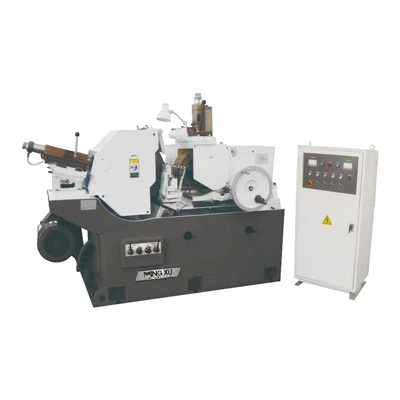
In conclusion, the noise level of a hydraulic surface grinder is an important consideration for our customers. Understanding the sources of noise, the factors that affect it, and the acceptable limits is crucial for making informed decisions about the equipment. As a supplier of hydraulic surface grinders, we are dedicated to providing our customers with machines that offer low noise levels, high performance, and reliability.
Vertical Surface Grinder If you are interested in learning more about our hydraulic surface grinders, or if you have any questions about the noise level or other aspects of our products, we encourage you to contact us. Our team of experts is ready to assist you in finding the right grinder for your specific needs. We look forward to the opportunity to discuss your requirements and explore how we can work together to improve your manufacturing process.
References
- ISO 11200:2014, Acoustics – Noise emitted by machinery and equipment – Guidelines for the use of basic standards for the determination of emission sound pressure levels.
- OSHA Noise Standards, Occupational Safety and Health Administration, United States Department of Labor.
- Machinery’s Handbook, 31st Edition, Industrial Press Inc.
Wuxi Mingxu Machinery Equipment Co., Ltd.
As one of the most professional hydraulic surface grinder manufacturers and suppliers in China, we’re featured by quality products and good price. Please rest assured to buy the best hydraulic surface grinder for sale here from our factory. Also, custom service is available.
Address: No. 5-5 Jinke Wealth Plaza, Changjiang North Road, Xinwu District, Wuxi City, Jiangsu Province
E-mail: yingyingmxjd@163.com
WebSite: https://www.mingxu-china.com/
