Yo! I’m a supplier of Jis Flanges, and today I wanna chat about the seismic resistance properties of these flanges in pipelines. Jis Flange
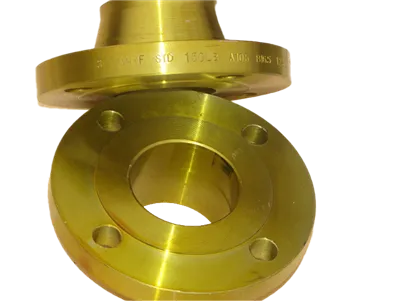
First off, let me give you a bit of background on Jis Flanges. Jis, which stands for Japanese Industrial Standards, sets the norms for these flanges. They’re used a ton in pipelines across various industries, from oil and gas to water supply systems.
When an earthquake hits, pipelines are in a tough spot. Seismic waves can cause all sorts of trouble like ground shaking, soil liquefaction, and even landslides in some extreme cases. These factors can lead to pipeline deformation, leaks, and in the worst – case scenario, total failure. That’s where the seismic resistance of Jis Flanges comes into play.
One of the key features that contribute to the seismic resistance of Jis Flanges is their material quality. Most Jis Flanges are made from high – grade carbon steel or alloy steel. These materials have high strength and good ductility. High strength means they can withstand the external forces generated during an earthquake without breaking. Ductility, on the other hand, allows the flanges to deform a bit without fracturing. For example, when an earthquake causes the ground to shift, a ductile Jis Flange can stretch or bend slightly instead of just snapping off. This ability to deform helps absorb some of the seismic energy and reduces the stress on the pipeline as a whole.
Another important aspect is the design of Jis Flanges. They have a very precise and standardized design. The dimensions are carefully regulated by the Japanese Industrial Standards. This standardization ensures a proper fit and connection between the flange and the pipeline. A well – fitted flange can distribute the seismic loads evenly across the pipeline joint. When the earthquake generates uneven forces, the flange’s design helps transfer these forces smoothly along the pipeline, preventing concentrated stress points. This is crucial because concentrated stress can quickly lead to pipeline failure.
The connection method of Jis Flanges also plays a vital role in seismic resistance. We usually use bolts to connect the flanges. The bolts are tightened to a specific torque, which creates a strong and stable connection. This connection is flexible enough to accommodate some movement during an earthquake but still strong enough to hold the pipeline sections together. Plus, the design of the bolt holes and the flange faces ensures that the bolts don’t loosen easily. During seismic events, the friction between the flange faces and the pressure exerted by the tightened bolts work together to keep the connection intact.
Now, let’s talk about some real – world examples. In areas prone to earthquakes, like parts of Japan and California, many pipeline systems use Jis Flanges. These pipelines have shown relatively good performance during seismic activities. For instance, after some minor to moderate earthquakes in Japan, the pipeline systems with Jis Flanges reported only minimal damage. The flanges were able to hold the pipeline joints together and prevent major leaks, which is a big deal as it helps in quickly restoring the normal operation of the pipeline.
But it’s important to note that the seismic resistance of Jis Flanges isn’t just about the flanges themselves. The installation process is also key. If the flanges aren’t installed correctly, all their good properties won’t work as effectively. The pipeline needs to be properly aligned, and the flanges should be tightened to the right torque. Any mistakes in the installation can create weak points in the pipeline system, making it more vulnerable to seismic damage.
We also need to consider the maintenance of Jis Flanges in pipelines. Regular inspections can detect any signs of wear, corrosion, or loosening of bolts. Corrosion can weaken the flange material over time, reducing its strength and ductility. By catching these issues early, we can take corrective actions like replacing corroded flanges or tightening loose bolts. This helps to ensure that the pipeline system remains seismically resistant in the long run.
In addition to the basic seismic resistance features, we’re also constantly looking for ways to improve the performance of Jis Flanges. For example, we’re researching new coating technologies that can further protect the flanges from corrosion, especially in harsh environments. We’re also exploring better materials and manufacturing processes to increase the overall strength and ductility of the flanges.
So, if you’re in the market for pipelines or need to upgrade your existing pipeline system, considering the seismic resistance properties of Jis Flanges is a smart move. Whether you’re building a pipeline in an earthquake – prone area or just want your system to be more durable, our Jis Flanges can be a great choice.
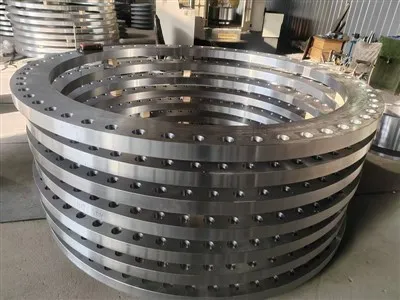
If you’re interested in our Jis Flanges, feel free to reach out to us for a chat. We can discuss your specific needs, answer any questions you have, and provide you with detailed product information. We’re here to work with you to make sure your pipeline project is a success.
Asme(ansi) B16.5 Flange References
- Japanese Industrial Standards (JIS) for Flanges
- Research papers on pipeline seismic safety and flange performance
- Case studies of earthquake – affected pipeline systems with Jis Flanges
Shanxi Xinshunda Flange Manufacturing Co., Ltd.
As one of the most professional jis flange manufacturers and suppliers in China, we also support customized service with competitive price. We warmly welcome you to wholesale high quality jis flange for sale here from our factory. For quotation, contact us now.
Address: Zhunagli Industrial Zone,jinchang Town,dingxiang,shanxi,china
E-mail: sales01@xinflange.com
WebSite: https://www.xinflange.com/
