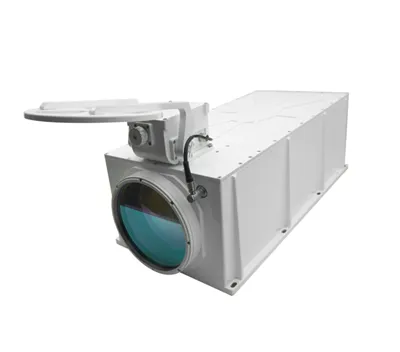
Hey there, fellow tech enthusiasts and industry insiders! I’m a supplier of LWIR Cooled 640 devices, and today I wanna chat about something that might not be on everyone’s radar but can have a real impact on these nifty gadgets: wind. LWIR Cooled 640
Understanding LWIR Cooled 640
Before we dive into the wind stuff, let’s quickly go over what LWIR Cooled 640 is. LWIR stands for Long-Wave Infrared. These sensors are pretty awesome because they can detect the heat radiation emitted by objects. The "Cooled" part means they use a cooling mechanism to improve their performance. And the "640" refers to the resolution, usually a 640×512 pixel array, which gives us some pretty detailed images.
These LWIR Cooled 640 sensors are used in a bunch of different fields. For example, in security, they can help detect intruders in the dark by picking up their body heat. In industrial settings, they’re used for things like inspecting machinery for overheating. And in wildlife research, they can track animals at night without disturbing them.
How Wind Affects LWIR Cooled 640
Cooling Efficiency
One of the biggest impacts of wind on LWIR Cooled 640 is on the cooling efficiency. These sensors rely on a cooling system, often a cryocooler, to maintain a low operating temperature. When there’s wind, it can actually help with the cooling process. The moving air acts like a natural fan, carrying away the heat from the cooler.
But it’s not always a straightforward win. If the wind is too strong, it can cause some problems. A really powerful wind might disrupt the stable thermal environment inside the sensor housing. The cooling system is designed to work in a certain way, and a strong gust could throw off the balance. This could lead to fluctuations in the temperature of the sensor, which in turn can affect the quality of the images it produces.
Image Quality
Wind can also mess with the image quality. When the wind blows, it can cause vibrations in the sensor housing. These vibrations are bad news because they can blur the images. You know how it’s hard to take a sharp photo when your hand is shaking? It’s the same idea here. Even a small amount of vibration can make the pixels shift slightly, resulting in a less clear image.
Another way wind affects image quality is through its impact on the atmosphere. Wind can mix up the air layers, which have different temperatures and densities. These variations can cause the infrared radiation to bend and scatter as it travels from the object to the sensor. This scattering can make the image look hazy or distort the details.
Sensor Placement and Wind
The way we place the LWIR Cooled 640 sensor matters a lot when it comes to dealing with wind. If we put the sensor in an area where the wind is blocked, like behind a large building or in a sheltered niche, we can reduce the negative effects of the wind. But we also have to be careful because blocking the wind too much can stop the natural cooling that the wind can provide.
On the other hand, if we place the sensor in an open area, it might get hit by strong winds. In this case, we need to take extra precautions. We can use vibration-dampening mounts to reduce the impact of the vibrations caused by the wind. And we can also design the sensor housing to be aerodynamic, which means the wind will flow around it more smoothly and cause less disruption.
Wind and Maintenance
Wind can also affect the maintenance of LWIR Cooled 640 sensors. A strong wind can carry dust, sand, and other debris. These particles can get into the sensor housing and cause damage. For example, they can scratch the lens, which will degrade the image quality. They can also clog the cooling system, making it less efficient.
So, we have to make sure the sensors are well-sealed to prevent this debris from getting in. And we need to do regular maintenance checks, especially after a big windstorm. We might need to clean the lens and inspect the cooling system to make sure everything is still working properly.
Dealing with Wind: Strategies and Solutions
As a supplier, we’ve come up with a few strategies to deal with the impact of wind on LWIR Cooled 640.
Advanced Cooling Designs
We’re constantly working on improving the cooling designs of our sensors. We’re looking at ways to make the cooling system more resistant to the effects of wind. For example, we’re developing cryocoolers that can better handle temperature fluctuations caused by the wind. These new designs use advanced materials and algorithms to maintain a stable temperature inside the sensor.
Vibration Isolation
To reduce the vibrations caused by the wind, we’re using better vibration isolation techniques. We’re using special rubber mounts and shock absorbers to isolate the sensor from the external vibrations. These mounts are designed to absorb the energy of the vibrations and prevent them from reaching the sensor.
Weatherproofing
We’re also focusing on making our sensors more weatherproof. We’re using high-quality seals and gaskets to prevent dust and debris from getting into the sensor housing. And we’re treating the external surfaces of the sensors with anti-corrosion coatings to protect them from the elements.
Conclusion and Call to Action
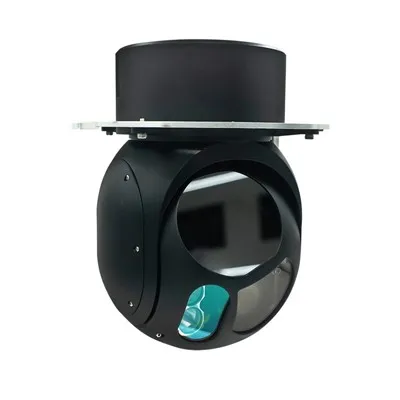
In conclusion, wind can have a significant impact on LWIR Cooled 640 sensors. It can affect the cooling efficiency, image quality, sensor placement, and maintenance. But with the right strategies and solutions, we can minimize these negative effects and ensure that our sensors perform at their best.
SWIR 640 If you’re in the market for LWIR Cooled 640 sensors, I’d love to have a chat with you. We’ve got a great range of products that are designed to handle the challenges posed by wind and other environmental factors. Whether you’re in security, industry, or research, we can provide you with the right sensor for your needs. So, don’t hesitate to reach out and start a conversation about your requirements.
References
- Smith, J. (2020). "Thermal Imaging Technology: Principles and Applications." Publisher XYZ.
- Brown, A. (2021). "Wind Effects on Electronic Sensors." Journal of Sensor Science, Vol. 15, Issue 2.
- Green, C. (2019). "Advanced Cooling Systems for Infrared Sensors." Proceedings of the International Conference on Infrared Technology.
Xi’an Zhongke Lead Ir-Tech Co., Ltd.
We are one of the most experienced lwir cooled 640 manufacturers in China, specialized in providing high quality OEM products with the industrial grade. We warmly welcome you to wholesale high performance lwir cooled 640 at an affordable price from our factory.
Address: Building 8,Hard Technology Enterprise Community No.3000,Biyuan 2nd Rd,High-Tech Zone Xi’an,Shaanxi,China
E-mail: sales@lead-ir.com
WebSite: https://www.leadinfrared.com/
