Yo! I’m a supplier of mechanical instruments, and today, I wanna chat about the awesome applications of these tools in the automotive world. You’d be surprised at how crucial mechanical instruments are in every aspect of automotive engineering, from manufacturing to daily use. Let’s dive right in! Mechanical instruments

Manufacturing and Assembly
When it comes to building cars, mechanical instruments play a fundamental role. First off, measuring tools are a must – have. Take micrometers and calipers, for example. These nifty little gadgets are used to measure the dimensions of engine components with incredible precision. Whether it’s the pistons, crankshafts, or connecting rods, getting the measurements just right is crucial for the engine to run smoothly. A slight deviation in the size of these parts could lead to engine failure or reduced performance.
Torque wrenches are another essential tool in the automotive manufacturing process. They’re used to tighten bolts and nuts to the specified torque value. This is super important because if the bolts aren’t tightened enough, they could come loose, causing parts to fall off or malfunction. On the other hand, over – tightening can damage the threads or the parts themselves. So, torque wrenches ensure that every bolt is tightened to perfection, which is vital for the overall safety and reliability of the vehicle.
In the assembly line, mechanical instruments also help with alignment. For instance, dial indicators are used to check the alignment of various components, like the wheels and the axles. Proper alignment not only improves the handling of the car but also reduces tire wear. If the wheels aren’t aligned correctly, the tires will wear unevenly, which means you’ll have to replace them more often. And nobody wants that extra expense!
Maintenance and Repair
Once the cars are out on the road, mechanical instruments continue to be indispensable for maintenance and repair. A good old – fashioned pressure gauge is a mechanic’s best friend when it comes to checking the oil pressure, tire pressure, and even the fuel pressure in a vehicle. Low oil pressure could indicate a problem with the oil pump or a leak, while incorrect tire pressure can affect the handling and fuel efficiency of the car. By using a pressure gauge regularly, mechanics can catch these issues early and prevent more serious problems from occurring.
Timing lights are also vital for engine maintenance. They’re used to set the ignition timing of the engine correctly. If the ignition timing is off, the engine will misfire, which can lead to poor performance, increased fuel consumption, and even damage to the engine over time. With a timing light, mechanics can quickly and accurately adjust the timing to ensure the engine runs at its best.
Another important mechanical instrument for automotive repair is the compression tester. This tool is used to measure the compression ratio of each cylinder in the engine. A low compression ratio in one or more cylinders could mean there’s a problem with the piston rings, valves, or head gasket. By identifying these issues early, mechanics can perform the necessary repairs and prevent further damage to the engine.
Performance Tuning
For car enthusiasts who want to squeeze every bit of performance out of their vehicles, mechanical instruments are key for performance tuning. Dynomometers are used to measure the power output of the engine. By running the engine on a dyno, tuners can see how much horsepower and torque the engine is producing. They can then make adjustments to the engine, such as changing the air – fuel mixture, ignition timing, or the exhaust system, to increase the power output.
Manometer gauges are used to measure the manifold pressure in the engine. This information is crucial for turbocharged or supercharged engines. Tuners can use the data from the manometer to adjust the boost pressure, ensuring that the engine gets the right amount of air for optimal performance.
Safety and Monitoring
In modern cars, mechanical instruments are also used for safety and monitoring purposes. For example, the fuel level gauge is a simple yet essential mechanical instrument. It lets the driver know how much fuel is left in the tank, preventing them from running out of gas in the middle of nowhere.
The speedometer and odometer are two other well – known mechanical instruments in cars. The speedometer shows the driver how fast the car is going, which is important for obeying traffic laws and driving safely. The odometer records the total distance the car has traveled, which is useful for maintenance scheduling and determining the resale value of the vehicle.
In addition to these basic instruments, some cars are equipped with mechanical pressure sensors to monitor the brake fluid pressure, coolant pressure, and even the pressure in the transmission. These sensors can alert the driver or the onboard computer if there’s a problem, allowing for quick action to be taken to prevent accidents.
Why Choose Our Mechanical Instruments?
Our mechanical instruments are top – notch. We’ve been in the business for years, and we know what it takes to meet the demanding needs of the automotive industry. Our products are made from high – quality materials, ensuring durability and accuracy. We constantly invest in research and development to improve our instruments and keep up with the latest technological advancements in the automotive world.
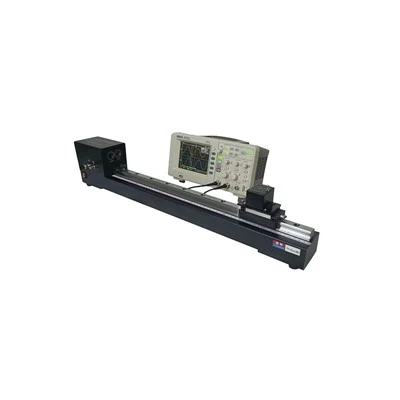
Whether you’re an automotive manufacturer, a mechanic, or a car enthusiast, our mechanical instruments are a great choice for your needs. We offer a wide range of products at competitive prices, and our customer service team is always ready to help you with any questions or concerns you may have.
Optical Instruments If you’re interested in purchasing our mechanical instruments for your automotive applications, don’t hesitate to reach out. Just start a conversation with us to kick off a procurement discussion. We’re excited to work with you and help you get the best results for your automotive projects.
References
- Automotive Engineering Handbook, various editions
- Chilton’s Automotive Repair Manuals
- Popular Mechanics Magazine archives on automotive topics
Nanjing Longbow Scientific&Educational Instrument Co., Ltd.
As one of the most professional mechanical instruments manufacturers and suppliers in China, we’re featured by quality products and good service. Please rest assured to buy customized mechanical instruments from our factory. If you have any enquiry about pricelist, please feel free to email us.
Address: Room D, 22th floor, No.305, North Jiangdong Road, Nanjing,Jiangsu Province, China
E-mail: 79425380@qq.com
WebSite: https://www.lb-physics.com/
