If you’ve ever researched lithium-ion batteries—especially for electric vehicles, energy storage systems, or consumer electronics—you’ve likely encountered NCM lithium batteries. Their high energy density, long cycle life, and proven track record have made them a go-to choice for many industries, and as someone who’s supplied NCM batteries for over a decade, I’ve seen firsthand how often their strengths overshadow critical, real-world disadvantages. For all their benefits, NCM (Nickel Cobalt Manganese) batteries aren’t a one-size-fits-all solution, and skipping an honest look at their flaws can lead to costly mistakes for manufacturers, installers, and end-users alike. Let’s break down the key drawbacks that anyone working with these batteries needs to understand, from raw material costs to thermal stability challenges. NCM Lithium Battery
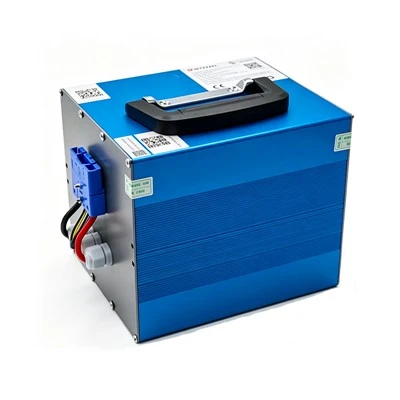
First, and most immediately impactful, is the raw material cost volatility tied to cobalt. For decades, cobalt has been the critical ingredient that makes NCM batteries work: it stabilizes the cathode, prevents the growth of lithium plating, and extends cycle life. But here’s the hard truth: 70% of the world’s cobalt supply comes from the Democratic Republic of the Congo (DRC), a region rife with political instability, regulatory unpredictability, and ethical labor concerns. In 2022, for example, cobalt prices spiked over 250% in just six months due to mining strikes, export bans, and shifts in demand from EV manufacturers who raced to scale NCM production. This isn’t a one-off fluctuation—supply chain experts predict cobalt demand will rise 4x by 2035 as EV adoption accelerates, outpacing projected supply growth. For suppliers like me, this means we can rarely lock in long-term pricing for bulk orders, which often forces us to pass unplanned cost increases to our clients, or in some cases, pause deliveries temporarily while we rework our sourcing strategies. Compare this to LFP (Lithium Iron Phosphate) batteries, which use no cobalt at all, and it’s easy to see why many fleet operators or grid storage providers are shifting away from NCM: the risk of price shocks is simply too high for budget-critical projects.
Another major disadvantage is inherent thermal instability, especially in high-nickel NCM formulations (like NCM 811 or NCM 955). As manufacturers continue to boost nickel content to improve energy density (since nickel is far cheaper and more abundant than cobalt), they’ve unwittingly made the cathode more prone to overheating. Cobalt acts as a buffer that suppresses the release of oxygen from the cathode during extreme conditions—when a battery is overcharged, damaged, or exposed to high temperatures. With high-nickel variants, that buffer is gone, and when the cathode heats up, it can release oxygen that reacts with the flammable electrolyte inside the battery cell, leading to thermal runaway. I’ve heard firsthand stories from clients who install NCM battery packs in extreme climates: last year, a solar storage system in Arizona experienced a thermal event after a cell was punctured during installation, and the fire spread to adjacent cells in minutes because the high-nickel NCM didn’t slow the reaction. While modern battery management systems (BMS) can mitigate this risk, they add extra cost and complexity—something that isn’t a factor with LFP, which is far more thermally stable and rarely experiences catastrophic thermal events without severe, prolonged damage. It’s also important to note that even with top-tier BMS, NCM batteries require more rigorous monitoring and maintenance than other chemistries; a single faulty cell in an NCM pack can trigger a chain reaction that’s hard to contain.
Cycle life degradation is another often-overlooked downside, especially in deep-cycle applications. NCM batteries have a rated cycle life of around 1,000 to 2,000 full charge-discharge cycles, depending on the formulation, which is half to two-thirds that of LFP batteries. But here’s the catch: that rating is only for shallow discharge cycles (around 80% depth of discharge, or DoD). If a user regularly discharges an NCM battery below 50% DoD—common in applications like off-grid solar or electric buses that require consistent power output—the cycle life drops drastically, sometimes to just 500 cycles or less. I saw this play out with a client who deployed NCM batteries for a fleet of delivery vans: they discharged the batteries to 20% DoD almost every day to maximize range, and after 18 months, the batteries had lost 35% of their capacity, well below the expected 10% degradation at that point. In contrast, LFP batteries can handle 4,000+ deep cycles at 50% DoD or lower, making them a far more cost-effective choice for applications where frequent, deep discharges are necessary. For suppliers like me, this means we have to spend extra time educating clients about proper usage protocols—something that doesn’t always land well, especially when the client was drawn to NCM’s higher energy density.
Fast charging limitations are also a key drawback of NCM batteries. While many manufacturers market NCM as capable of 1C or even 2C fast charging (meaning charging a fully depleted battery in 1 to 0.5 hours), the reality is that repeated fast charging accelerates degradation. The high currents involved in fast charging cause lithium ions to plate onto the anode surface instead of inserting into it, forming metallic lithium that reacts with the electrolyte and reduces cycle life. A 2021 study from the International Energy Agency found that NCM batteries subjected to 50 fast charge cycles per year lost 15% more capacity after 5,000 cycles than batteries charged at a standard 0.5C rate. For high-use applications like electric buses or ride-hailing cars that rely on fast charging to minimize downtime, this means NCM batteries will need to be replaced far sooner than LFP alternatives. I’ve had clients come to me after six months of using NCM batteries for ride-hailing fleets, complaining about sudden range drops—something that rarely happens with LFP batteries used in the same way. It’s a trade-off: NCM delivers faster charging when done sparingly, but frequent fast charging erodes its core benefit over time.
End-of-life recycling challenges are another critical disadvantage of NCM batteries that often gets ignored. Unlike LFP batteries, which are made with materials that are relatively easy to separate and reuse, NCM’s mixed cathode chemistry (nickel, cobalt, manganese) makes recycling complex and costly. Current recycling processes for NCM require high heat or chemical leaching to extract valuable metals, both of which are energy-intensive and can generate toxic waste if not managed properly. The International Renewable Energy Agency estimates that less than 10% of NCM batteries are recycled globally, compared to over 90% of lead-acid batteries and around 30% of LFP batteries. For suppliers, this means we have to advise clients on end-of-life plans far in advance—arranging for specialized recycling rather than simple disposal—but even then, many regions lack the infrastructure to handle NCM battery waste. This not only creates environmental risks, but also long-term liability for anyone deploying NCM batteries, which is a concern for large-scale projects like grid storage that will generate thousands of end-of-life batteries in the next decade.
It’s also important to address a common misconception: NCM batteries have lower energy density than often claimed. While they do offer higher energy density than LFP (around 250-300 Wh/kg vs. 150-200 Wh/kg for LFP in commercial products), that density drops significantly in real-world conditions when BMS, cooling systems, and packaging are factored in. A 2022 report from the Battery University found that the actual usable energy density of a packaged NCM battery is around 200 Wh/kg, compared to 160 Wh/kg for LFP—a difference that’s smaller than manufacturers’ marketing suggests. For clients who prioritize energy density, this means they’re paying a premium for a benefit that’s not as large as advertised, and that can be negated by the other drawbacks of NCM, like higher raw material costs and shorter cycle life.
That said, I don’t want to paint NCM batteries as entirely obsolete—they still have a clear role in the market, especially in applications where lightweight, high-power density is critical, like electric sports cars or portable electronics. But for anyone considering NCM, it’s essential to weigh these disadvantages against the benefits, rather than just choosing based on a quick Google search. As someone who’s been supplying NCM batteries for over 10 years, I’ve seen clients make the mistake of prioritizing energy density without considering raw material costs, thermal risks, and cycle life, leading to projects that go over budget or underperform.
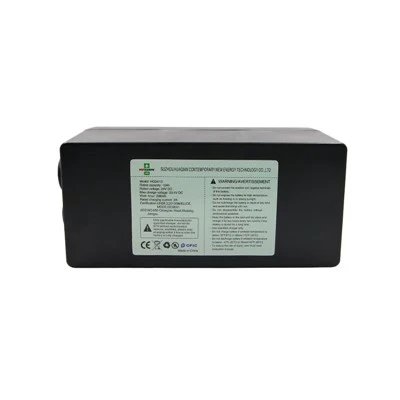
If you’re currently evaluating battery chemistries for your next project, whether it’s an EV fleet, grid storage, or consumer electronics, I’d be happy to walk you through the pros and cons of NCM batteries in your specific use case, help you compare them to other options, and provide bulk pricing quotes that account for our long-term sourcing strategies. Reach out to start a conversation about what’s right for your needs.
LiFeP04 Battery References:
- International Energy Agency. (2023). Cobalt Supply Chain Dynamics and Market Outlook. IEA Publications.
- Battery University. (2022). Lithium-Ion Battery Chemistry Comparison: NCM vs. LFP. Battery University Technical Report.
- International Renewable Energy Agency. (2021). End-of-Life Management for Lithium-Ion Batteries. IRENA Report.
- European Commission. (2022). Critical Raw Materials List and Supply Risks. EC Publications.
Suzhou Huaqian Contemporary New Energy Technology Co., Ltd.
As one of the most professional ncm lithium battery manufacturers and suppliers in China, we warmly welcome you to wholesale bulk customized ncm lithium battery at competitive price from our factory. If you have any enquiry about cooperation, please feel free to email us.
Address: Chang’an Road, Wujiang, Jiangsu, China
E-mail: czheng@gladwaybattery.com
WebSite: https://www.gladwaybattery.com/
